Explore Houston, TX Real Estate and Homes for Sale
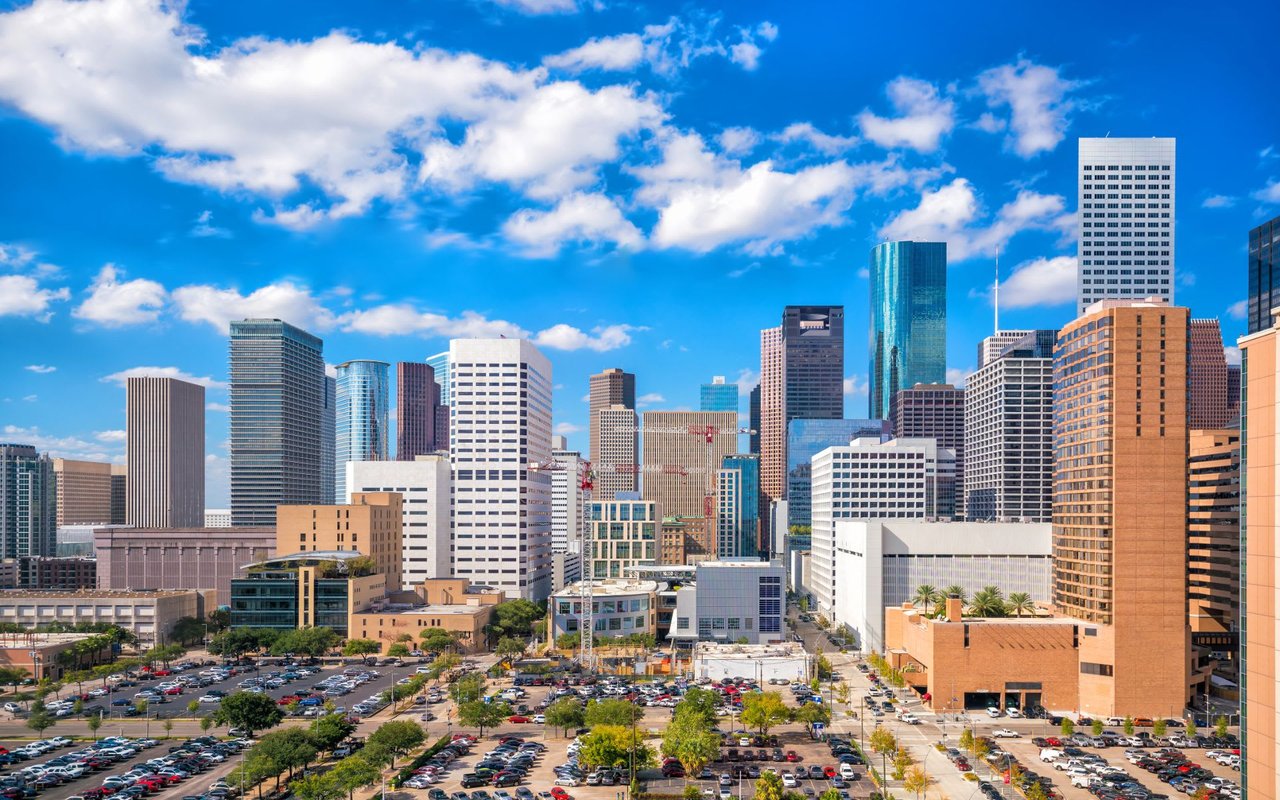
2,300,420 people live in Houston, where the median age is 34.3 and the average individual income is $41,142. Data provided by the U.S. Census Bureau.
Total Population
Median Age
Population Density Population Density This is the number of people per square mile in a neighborhood.
Average individual Income
Houston is the fourth-largest city in the United States and the largest in Texas, functioning as a sprawling metropolitan area rather than a single neighborhood. The city spans over 670 square miles within its city limits and serves as the economic and cultural heart of Southeast Texas. Houston's character is defined by its remarkable diversity, robust energy sector, world-class medical facilities, and absence of zoning laws that create a uniquely eclectic urban fabric. The lifestyle varies dramatically across Houston's many distinct neighborhoods—from the tree-lined streets of River Oaks and Memorial to the urban lofts of downtown and Midtown, the arts-focused Montrose district, and the family-oriented suburbs of The Woodlands and Sugar Land.
What makes Houston appealing is its combination of big-city amenities with Texas-sized affordability, a thriving job market anchored by energy, healthcare, and aerospace industries, exceptional dining representing virtually every global cuisine, and a entrepreneurial spirit that welcomes newcomers. The city attracts everyone from energy executives and medical professionals to artists, immigrants building new lives, and families seeking space and opportunity.
Houston's origins trace to 1836 when brothers Augustus and John Allen founded the city on Buffalo Bayou, naming it after General Sam Houston following Texas independence. The city served briefly as the Republic of Texas capital before that role moved to Austin in 1839. Houston's early growth centered on cotton commerce and its position as a railroad hub, but the 1901 Spindletop oil discovery near Beaumont transformed the region's trajectory. The subsequent oil boom established Houston as the energy capital of the world, with major companies establishing headquarters throughout the 20th century.
The Houston Ship Channel, completed in 1914, converted the inland city into a major port by connecting it to the Gulf of Mexico. This infrastructure enabled petrochemical industry expansion that continues to define Houston's economy. The establishment of NASA's Johnson Space Center in 1961 added aerospace and space exploration to the city's economic portfolio, cementing Houston's identity with the phrase "Houston, we have a problem."
Architecturally, Houston evolved from Victorian-era homes in neighborhoods like the Heights to the modernist skyscrapers of downtown designed by architects including Philip Johnson and I.M. Pei. The city's lack of zoning ordinances, unique among major American cities, created a development pattern where residential, commercial, and industrial uses often intermingle. Post-World War II suburban expansion accelerated dramatically, with air conditioning making the humid climate more tolerable and enabling explosive growth. Major flooding events, particularly Hurricane Harvey in 2017, have increasingly shaped development patterns and infrastructure investments focused on resilience.
Houston's population exceeds 2.3 million within city limits and over 7 million in the greater metropolitan area, making it one of America's most diverse cities. Young professionals dominate Midtown, Montrose, and the Museum District, drawn by walkability and nightlife. The Texas Medical Center—the world's largest medical complex—attracts healthcare professionals, researchers, and medical students who often settle in nearby areas like Rice Village and West University Place.
Families with children concentrate in master-planned communities like The Woodlands, Cinco Ranch, and Katy, as well as inner-loop neighborhoods such as West University, Bellaire, and Memorial with highly-rated schools. The energy sector brings executives, engineers, and skilled workers from around the globe, many settling in the Energy Corridor, Memorial, and River Oaks. Retirees often remain in established neighborhoods or relocate to age-friendly communities in suburbs like Clear Lake and Pearland.
Houston's immigrant population is substantial and growing, with thriving Vietnamese, Chinese, Indian, Nigerian, and Latin American communities that have shaped entire commercial districts. Artists and creative professionals gravitate toward affordable neighborhoods like the East End, Montrose, and the Heights. Rice University and University of Houston draw significant student populations who cluster near their respective campuses. The city also attracts entrepreneurs and small business owners who appreciate Houston's business-friendly environment and relatively low cost of living compared to coastal cities.
Houston sits in Southeast Texas approximately 50 miles inland from the Gulf of Mexico and 165 miles east of San Antonio. The city occupies the Gulf Coastal Plain, characterized by flat terrain with minimal elevation variation—the entire city sits less than 100 feet above sea level. This flatness contributes to Houston's notorious flooding challenges. Major highways form a spoke-and-loop system with Interstate 10 running east-west, Interstate 45 heading north-south toward Dallas and Galveston, US 59 (now Interstate 69) cutting diagonally through the city, and three loop systems: the inner Loop 610, the intermediate Beltway 8 (Sam Houston Tollway), and the outer Grand Parkway (State Highway 99).
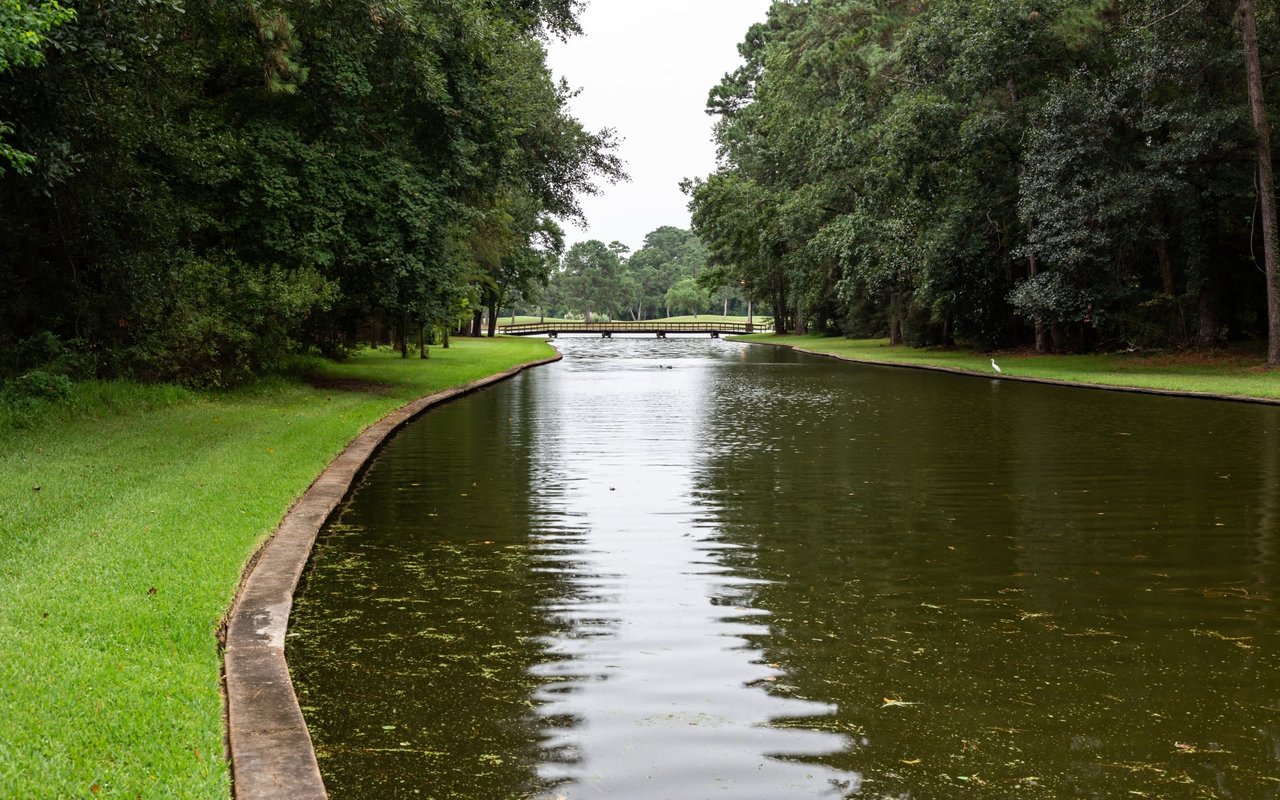
The region's geography includes numerous bayous—slow-moving waterways including Buffalo Bayou, Brays Bayou, White Oak Bayou, and Sims Bayou—that serve as natural drainage systems and, increasingly, as recreational corridors with hike-and-bike trails. Houston lacks natural topographic variation but features extensive tree cover in older neighborhoods, particularly along bayou corridors. The climate is humid subtropical with hot, humid summers where temperatures regularly exceed 95°F and humidity makes heat indices over 105°F common from June through September. Winters are mild with occasional freezes and rare winter storms. The region receives approximately 50 inches of annual rainfall, with hurricane season from June through November posing flood and storm surge risks.
Proximity to the Gulf provides beach access within an hour's drive to Galveston and the Bolivar Peninsula. The Piney Woods region begins north of Houston, while coastal marshlands and prairie extend to the south and east.
Houston's real estate market as of early 2025 reflects a stabilizing environment after significant volatility in prior years. The median home price in Houston proper hovers around $310,000 to $340,000, though this varies dramatically by neighborhood—from under $200,000 in some outer suburbs and south Houston areas to well over $1 million in River Oaks, Memorial, and parts of The Woodlands. The greater Houston metropolitan area shows similar price ranges with variations based on school districts and proximity to employment centers.
Inventory levels have improved from the extreme shortage conditions of 2021-2022, with approximately 3.0 to 3.5 months of supply, indicating a relatively balanced market leaning slightly toward buyers compared to recent years. Days on market typically range from 45 to 65 days depending on price point and location, with well-priced homes in desirable areas like West University and the Heights selling much faster. Homes priced correctly often receive multiple offers within the first two weeks, particularly under $400,000.
Appreciation trends show Houston experiencing moderate growth of 3-5% annually as of late 2024 and early 2025, a significant slowdown from the double-digit appreciation of 2020-2022. The market has cooled partly due to higher mortgage rates, though Houston remains more affordable than comparable major metropolitan areas. Certain submarkets, particularly master-planned communities with new construction in Katy, Cypress, and Pearland, show stronger inventory levels as builders complete projects. The luxury market above $1 million has softened with longer days on market and more negotiation room for buyers.
Market conditions favor neither buyers nor sellers decisively across the entire metro area—instead, specific price points and neighborhoods determine dynamics. The under-$350,000 segment remains competitive due to first-time buyer demand, while higher price points offer more negotiating leverage. Energy sector performance continues to influence market confidence and employment-driven demand.
Flood risk represents the single most critical consideration when buying in Houston. Prospective buyers must research FEMA flood maps, review whether properties sit in Special Flood Hazard Areas (100-year or 500-year floodplains), and investigate whether homes flooded during Hurricane Harvey (2017), the Tax Day Flood (2016), or Memorial Day Flood (2015). Flood insurance costs can add $500 to $3,000+ annually depending on location and elevation. Many areas have experienced flooding despite not being in designated flood zones due to Houston's flat topography and inadequate drainage infrastructure.
Property taxes in Houston are high compared to national averages—typically 2.5% to 3.5% of assessed value annually—because Texas has no state income tax. Tax rates vary by municipality and independent school district, with homeowners receiving a homestead exemption that caps annual increases at 10% for primary residences. Buyers should calculate actual tax obligations rather than relying on previous owner's taxes, especially for new construction or recently remodeled homes that may face higher assessments.
Houston's lack of zoning creates unpredictability—a single-family home might sit next to a commercial business or apartment complex. This requires thorough neighborhood research and driving areas at different times to understand what might develop nearby. Many neighborhoods have deed restrictions that provide some land-use control, but these vary in strength and enforcement.
Commute times demand careful consideration given Houston's traffic congestion and sprawl. A home may seem affordable but result in 90-minute one-way commutes. Buyers should test drive routes during actual commute times. Proximity to major employers, the Texas Medical Center, or energy corridor offices significantly impacts quality of life.
School boundaries and district quality vary enormously across Houston. Highly-rated districts like Houston ISD's magnet schools, Spring Branch ISD, Katy ISD, and private schools drive significant price premiums. Buyers with children should verify specific school assignments as they can change.
Homeowners association fees in master-planned communities range from $300 to over $1,000 annually and typically cover amenities like pools, trails, and landscaping. Some neighborhoods have mandatory maintenance districts (MUDs) that add additional fees. Understanding all fee structures is essential for accurate cost calculations.
Age and condition of homes vary widely—Houston's hot, humid climate accelerates wear on roofs, HVAC systems, and foundations. Foundation issues are particularly common due to expansive clay soils that shift with moisture changes. Thorough inspections and consideration for future maintenance costs are critical, especially for homes over 25 years old.
Timing in Houston's real estate market shows seasonal patterns with spring (March-May) typically bringing the strongest buyer activity as families aim to move before the school year. Summer remains active despite heat, while fall sees moderate activity. Winter (December-February) generally shows the slowest market, though serious buyers still shop year-round. Sellers should list properties by late February or early March to capture peak spring demand.
Pricing strategy requires careful analysis of recent comparable sales within the specific neighborhood or subdivision. Houston buyers are price-sensitive and well-informed through online tools, making overpricing a critical error that results in properties sitting on market and ultimately selling for less than if priced correctly initially. Working with agents who understand micro-market conditions in specific ZIP codes or subdivisions produces better results than relying on citywide trends.
Staging and presentation significantly impact sale prices and speed, particularly in competitive segments. Houston buyers expect move-in ready homes, especially above $400,000. Neutral paint, decluttered spaces, professional photography, and addressing deferred maintenance before listing generate stronger offers. In higher-end markets, professional staging can return 5-10 times its cost in sale price improvement. Air conditioning must function perfectly—buyers touring in Houston summers will immediately notice cooling issues.
Strategic upgrades that increase value include kitchen and bathroom updates, fresh exterior paint, new or well-maintained roofs, HVAC system replacements, and upgraded flooring. Energy-efficient features like new windows and modern thermostats appeal to Houston buyers facing high cooling costs. However, over-improving for the neighborhood produces poor returns—a $100,000 kitchen remodel in a $250,000 neighborhood won't recover costs.
Flood disclosure requirements are strict in Texas. Sellers must disclose known flooding history and provide documentation if available. Attempting to hide flood damage is illegal and can result in post-sale lawsuits. Properties with flood history can still sell but require proper pricing and transparency.
Buyer demographics vary by price point and location. Homes under $300,000 attract first-time buyers and often involve FHA or VA financing requiring properties to meet specific condition standards. The $300,000-$600,000 range draws families prioritizing schools and space. Luxury properties above $1 million target executives, medical professionals, and energy sector buyers who typically scrutinize details and negotiate assertively. International buyers, particularly from Latin America and Asia, remain active in certain Houston submarkets.
Marketing should emphasize Houston-specific selling points: commute convenience, flood mitigation features, school ratings, energy efficiency, and outdoor spaces that extend living areas. Master-planned community amenities, proximity to restaurants and retail, and access to major employers resonate with buyers.
Houston's culinary scene ranks among America's finest, reflecting the city's extraordinary diversity and entrepreneurial spirit. The city boasts multiple James Beard Award winners and nominees, including chef Chris Shepherd of Georgia James and One Fifth, Justin Yu of Theodore Rex, and Christine Ha. The restaurant landscape spans from award-winning fine dining to authentic international cuisines representing virtually every global tradition.
The Galleria area and Uptown Park feature upscale dining including Steak 48, Monarch, and Vallone's. Montrose and Midtown anchor Houston's restaurant scene with establishments like Uchi (high-end sushi), Hugo's (refined Mexican cuisine recognized among the nation's best), and countless cafes and bistros. The Heights offers trendy restaurants along 19th Street and Yale Street including Coltivare (Italian), Bernadine's, and Local Foods. Downtown dining has expanded with concepts inside The Ion and Market Square Park vicinity.
Houston's Chinatown along Bellaire Boulevard in the western suburbs features the largest concentration of Chinese and Asian restaurants outside California, with authentic Sichuan, Cantonese, Vietnamese, and Korean dining. The Mahatma Gandhi District along Hillcroft offers exceptional Indian, Pakistani, and Middle Eastern cuisine. East End neighborhoods provide authentic Mexican and Central American food, while Midtown's "Little Saigon" areas offer Vietnamese dining.
The Theater District downtown houses the Houston Grand Opera, Houston Ballet, Alley Theatre, and Wortham Theater Center, creating a cultural corridor that rivals major cities. Discovery Green serves as a 12-acre downtown park hosting concerts, festivals, and outdoor movies. Buffalo Bayou Park's 160 acres include trails, kayak launches, and venues like The Water Works, a renovated 1920s building now serving as event space and restaurant.
Nightlife concentrates in Midtown, Washington Avenue, EaDo (East Downtown), and parts of downtown with clubs, live music venues, and bars. White Oak Music Hall, House of Blues, and Continental Club showcase local and touring acts. The craft brewery scene includes Saint Arnold Brewing Company (Texas's oldest craft brewery), 8th Wonder, and Buffalo Bayou Brewing among dozens of options.
Houston provides shopping options from luxury retail to neighborhood boutiques and ethnic markets. The Galleria stands as Texas's largest shopping center and one of America's top shopping destinations, featuring Neiman Marcus, Nordstrom, Saks Fifth Avenue, and over 400 stores. The Highland Village in River Oaks caters to luxury shoppers with high-end boutiques and restaurants.
The Domain-style Memorial City Mall and CityCentre in West Houston combine retail, dining, and residential in mixed-use developments. Rice Village near Rice University offers walkable boutique shopping, restaurants, and specialty stores in a neighborhood setting. Heights Mercantile and 19th Street in the Heights feature local boutiques, home goods stores, and unique retail concepts.
Whole Foods, Central Market, and HEB anchor grocery shopping across Houston, with HEB being the dominant and beloved Texas-based chain offering quality products at competitive prices. Trader Joe's and Costco locations serve various neighborhoods. International grocery options include 99 Ranch Market and Hong Kong City Mall for Asian products, India Grocers and multiple Pakistani/Indian markets along Hillcroft, and numerous Hispanic supermarkets like Fiesta Mart and El Rancho.
Antique shopping clusters in The Heights along 19th Street and in West Houston. The Houston Antique District near downtown offers multiple dealers. Local artisan markets including Urban Harvest Farmers Market (Eastside), Rice University Farmers Market, and various neighborhood markets operate year-round.
The Houston Premium Outlets in Cypress and Katy Mills Mall provide outlet shopping options. Local chains like Spec's Wines, Spirits & Finer Foods (started in Houston) offer extensive selection and Texas-sized stores. Strip malls and shopping centers dot virtually every major intersection, reflecting Houston's car-centric development.
Houston Parks and Recreation Department manages over 380 parks covering more than 53,000 acres, though the city's density of parkland per capita lags behind comparable cities. Buffalo Bayou Park provides 160 acres along the waterway flowing through downtown, featuring hike-and-bike trails, kayak and paddleboard launches, the Waugh Bridge bat colony viewing area, and the Johnny Steele Dog Park. Memorial Park, one of the nation's largest urban parks at 1,500 acres, offers running trails including the popular 3-mile crushed granite loop, golf courses, tennis centers, and extensive natural areas currently undergoing restoration.
Hermann Park near the Museum District encompasses 445 acres with McGovern Centennial Gardens, the Houston Zoo, Miller Outdoor Theatre (free performances), Reflections Pool, and pedal boat rentals. Discovery Green downtown serves as a 12-acre contemporary urban park with lawns, restaurants, splash pads, and programming including outdoor concerts and movies.
The bayou greenway network continues expanding with the goal of creating 150 miles of connected trails along Houston's bayous. White Oak Bayou Greenway, Brays Bayou Greenway, and Sims Bayou Greenway segments provide paved trails for walking, running, and cycling. Terry Hershey Park along Buffalo Bayou in West Houston offers shaded trails popular with joggers and cyclists.
George Bush Park in West Houston features 7,800 acres with shooting ranges, cricket fields, multi-use trails, and soccer complexes. Cullen Park in Fort Bend County offers 10,000 acres with equestrian trails, archery ranges, and model airplane fields. For beaches, Galveston Island is 50 miles southeast with Stewart Beach and East Beach, while Surfside Beach and Crystal Beach on the Bolivar Peninsula are accessible within 90 minutes.
Golf options include Memorial Park Golf Course (recently redesigned), Gus Wortham Golf Course, and numerous private country clubs throughout the area. The Houston Arboretum & Nature Center provides 155 acres of native plants and wildlife with trails and education programs. Armand Bayou Nature Center on the east side offers 2,500 acres of preserved coastal prairie, forest, and bayou.
Houston Independent School District (HISD) is the largest district in Texas with over 200 schools serving approximately 200,000 students, though enrollment has declined in recent years. The district faces challenges including funding disputes and state intervention, but also maintains highly-rated magnet and specialty schools. HISD magnets including Carnegie Vanguard High School, DeBakey High School for Health Professions, High School for the Performing and Visual Arts (HSPVA), and Challenge Early College High School rank among Texas's best schools and require applications.
Surrounding independent school districts often attract families seeking higher-rated schools. Katy ISD, Cy-Fair ISD, Klein ISD, and Spring Branch ISD to the west and north receive strong ratings. Fort Bend ISD south of Houston includes highly-rated schools particularly in Sugar Land and Missouri City. Clear Creek ISD near NASA serves the Clear Lake area. Humble ISD, Pearland ISD, and Friendswood ISD also draw families seeking quality public education.
Private schools provide alternatives across Houston with options including The Kinkaid School, St. John's School, The Awty International School, Episcopal High School, and Strake Jesuit College Preparatory serving various grade levels and philosophies. Parochial schools associated with Catholic, Protestant, and Jewish congregations operate throughout the area. Montessori and progressive education options exist in various neighborhoods.
Higher education anchors include Rice University, a highly-selective private research university consistently ranked among the nation's top 20, located near the Museum District. The University of Houston is a major public research university serving over 46,000 students with strong programs in business, engineering, law, and optometry. Texas Southern University, a historically Black university, emphasizes pharmacy, law, and health professions. Houston Community College operates multiple campuses providing affordable degree programs and workforce training.
Specialized institutions include The University of Texas MD Anderson Cancer Center, Baylor College of Medicine, and other medical schools associated with the Texas Medical Center. South Texas College of Law Houston, University of Houston Law Center, and Thurgood Marshall School of Law serve legal education. The Art Institute of Houston and Houston Ballet Academy provide arts-focused training.
Houston's transportation infrastructure centers on automobiles and extensive freeway systems, with public transit playing a secondary role. Major highways include Interstate 10 (Katy Freeway) running east-west and holding the distinction as one of the world's widest freeways at 26 lanes in sections, Interstate 45 (Gulf Freeway/North Freeway) connecting downtown to Galveston and Dallas, US 59/Interstate 69 (Southwest Freeway/Eastex Freeway) running diagonally, and US 290 (Northwest Freeway) heading toward Austin.
Loop 610 forms an inner ring approximately 8 miles from downtown, while Beltway 8 (Sam Houston Tollway) creates a wider loop 15-20 miles from the center. The Grand Parkway (State Highway 99) provides an outer loop currently under construction in segments. Many highways include managed toll lanes (HOV/HOT lanes) that offer faster travel for carpools or fee-paying drivers during peak hours.
Traffic congestion remains severe during rush hours, typically 6:30-9:00 AM and 4:30-7:00 PM on weekdays. Commutes exceeding 30-45 minutes one-way are common for those living in suburbs and working in central Houston or the Medical Center. Tidal flow patterns see heavy inbound traffic mornings and outbound traffic evenings. Wrecks, construction, and flooding can create sudden gridlock.
METRO operates the public transit system including bus routes throughout the area and the METRORail light rail with three lines totaling 23 miles primarily serving downtown, Midtown, the Museum District, Texas Medical Center, and Third Ward. The rail system is useful for specific corridors but doesn't address most commuting needs. Park-and-ride lots along major highways allow commuters to catch express buses to downtown and the Medical Center.
George Bush Intercontinental Airport (IAH) serves as United Airlines' second-largest hub with extensive domestic and international service, located approximately 23 miles north of downtown. William P. Hobby Airport (HOU) focuses on domestic service, particularly Southwest Airlines flights, and sits 7 miles southeast of downtown. Both airports remain accessible from most Houston neighborhoods within 30-60 minutes depending on traffic.
Biking infrastructure has improved with dedicated bike lanes on some streets and the expanding bayou greenway trail system, though Houston remains challenging for cyclists due to heat, humidity, and car-centric infrastructure. Commuting by bike works best for those living near employment centers like downtown, Medical Center, or Rice University.
Houston residents appreciate the city's remarkable cultural and culinary diversity that creates authentic experiences from Vietnamese pho to Nigerian suya to Mexican barbacoa without needing to leave the metro area. The absence of state income tax and relatively affordable housing compared to coastal cities means professionals can achieve higher quality of life, larger homes, and stronger savings. Career opportunities span multiple industries beyond energy including the massive Texas Medical Center, NASA, the Port of Houston, and a thriving entrepreneurial ecosystem that encourages business creation.
The arts and cultural scene rivals much larger cities with world-class opera, ballet, symphony, and theater alongside dozens of museums including the Museum of Fine Arts, Contemporary Arts Museum Houston, and the Holocaust Museum Houston, many offering free admission days. Sports fans support professional teams across all major leagues: Texans (NFL), Rockets (NBA), Astros (MLB), and Dynamo (MLS), creating year-round entertainment options.
Houston's lack of pretension and friendly atmosphere—often called "Houston nice"—makes newcomers feel welcome. Unlike more established cities, Houston doesn't have rigid social hierarchies or generations of exclusionary practices. The result is a meritocratic environment where hard work and talent create opportunities regardless of background. International communities thrive here with established networks and cultural institutions that ease immigration transitions.
Space and weather attract those tired of cramped urban apartments or harsh winters. While summers are brutal, mild winters allow year-round outdoor activities. Many homes offer pools, large yards, and garages inconceivable at similar price points in New York, San Francisco, or Los Angeles. The proximity to Gulf Coast beaches and Texas Hill Country provides weekend escape options.
Families value strong school options including excellent public magnets, independent school districts in suburbs, and numerous private schools. The lower cost of living enables private school tuition that might be prohibitive elsewhere. Quality childcare and preschool programs operate throughout the area.
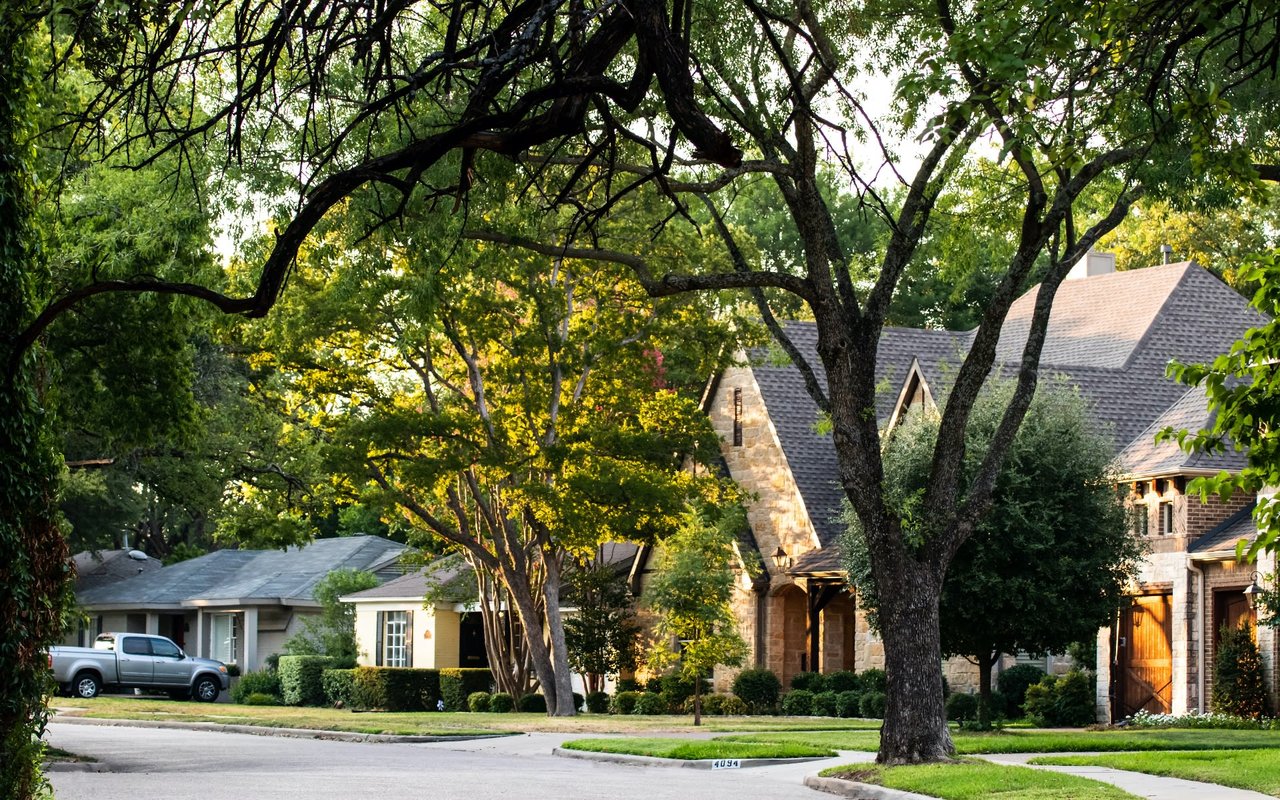
River Oaks represents Houston's most prestigious neighborhood with estates along River Oaks Boulevard, Inwood Drive, Lazy Lane, and Del Monte Drive commanding prices from $3 million to over $20 million. The area features tree-lined streets, architectural variety from Mediterranean Revival to modern masterpieces, and proximity to River Oaks Shopping Center and downtown.
Memorial represents another elite area with neighborhoods including Bunker Hill Village, Piney Point Village, and Hunters Creek Village featuring homes along Memorial Drive, Bridle Spur, and Claypool Drive. Properties often sit on large lots with mature trees and strong school access. Prices range from $1 million to $10 million+ for estate properties.
The Museum District and Rice Village near Rice University attract professionals and families seeking walkability, culture, and architecture. Streets including Sunset Boulevard, Bolsover, and Morningside feature diverse architectural styles including 1920s-1930s homes. Prices vary from $700,000 for smaller bungalows to several million for larger estates.
The Heights, one of Houston's oldest neighborhoods, has experienced dramatic gentrification with restored Victorian and Craftsman homes along Heights Boulevard, Harvard Street, and in the Heights Historic District commanding premiums. Walkability, restaurants, and proximity to downtown drive demand with prices from $400,000 for renovated cottages to over $2 million for new construction on oversized lots.
West University Place, an independent municipality surrounded by Houston, offers tree-lined streets, highly-rated schools, and proximity to Rice University and the Medical Center. Homes along University Boulevard, Rice Boulevard, and Southwestern draw intense competition among families. Prices range from $800,000 to several million.
Tanglewood and Briargrove near the Galleria feature mid-century modern and traditional homes on curved, tree-shaded streets. The area provides central location and strong schools with homes from $600,000 to $3 million+.
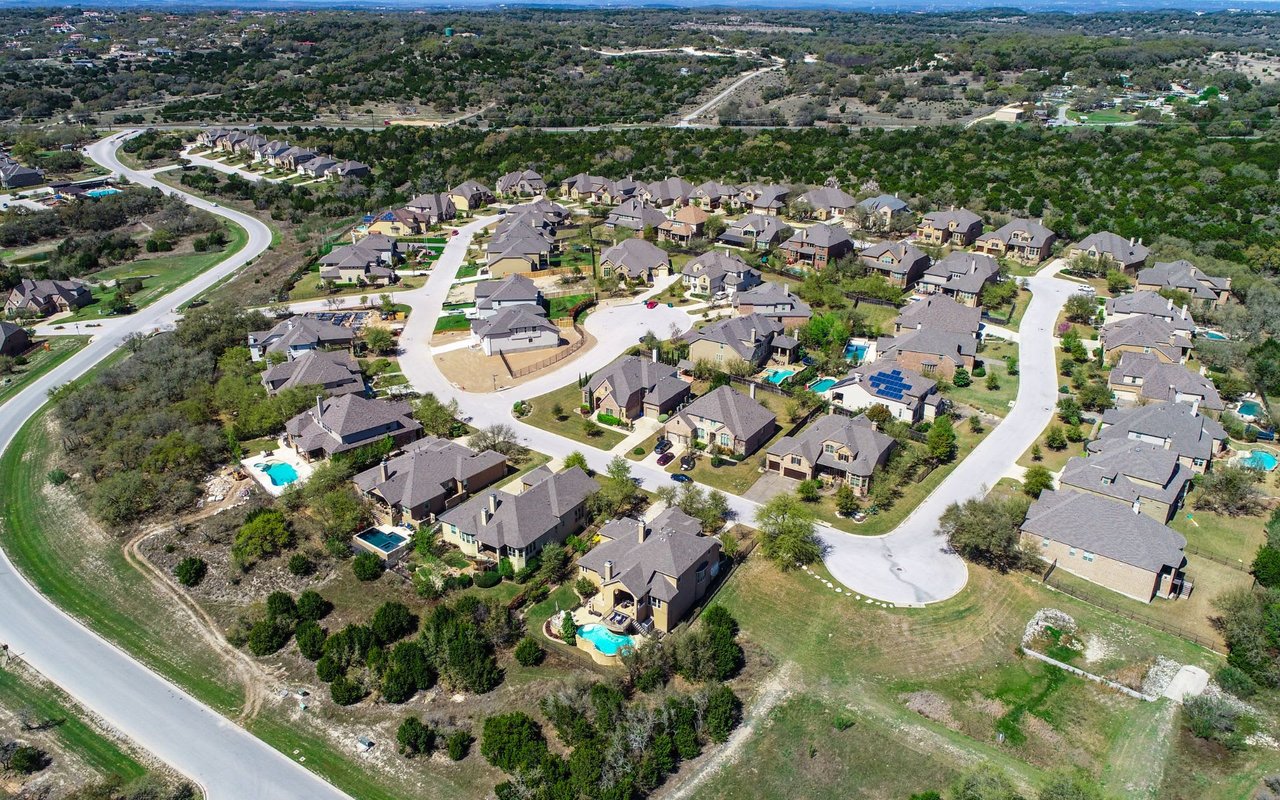
Master-planned communities including The Woodlands, Cinco Ranch, Sienna Plantation, and Bridgeland attract families seeking amenities, newer construction, and community atmosphere. Premier sections within these developments command premiums for golf course views, waterfront locations, or larger lots.
Houston works exceptionally well for professionals and families seeking career opportunities, affordable living, and space without sacrificing big-city amenities. Energy sector workers, medical professionals, engineers, and entrepreneurs find abundant opportunities in one of America's strongest job markets. Those relocating from more expensive coastal cities appreciate the ability to purchase significantly more home while building savings and enjoying lower taxes.
Families prioritizing education can access excellent public magnet schools, strong suburban districts, or private schools at lower cost than comparable cities. The master-planned communities particularly appeal to those wanting modern amenities, newer homes, and family-friendly atmospheres. Immigrant families and international professionals find established communities and cultural institutions that ease transitions and maintain connections to heritage.
Food enthusiasts and cultural explorers thrive in Houston's diverse environment where authentic global cuisines and arts programming exceed what much larger cities offer. Those who prefer driving over public transit and value space over walkability adapt well to Houston's car-centric layout. People seeking warm weather year-round who can tolerate hot, humid summers find the climate acceptable, especially with ubiquitous air conditioning.
Houston suits risk-takers and entrepreneurs who appreciate the business-friendly environment, lower overhead costs, and meritocratic culture. Those willing to research neighborhoods thoroughly and navigate flood risks can find excellent value. Sports enthusiasts enjoy professional teams across all major leagues and year-round recreation despite summer heat.
Houston may not suit those requiring extensive public transit for daily commuting, those who strongly prefer walkable urban density throughout the city, or those unwilling to accept flood risk and invest in adequate insurance and elevation. The oppressive summer heat and humidity deter those who prioritize moderate climates. People seeking dramatic natural topography, distinct seasons, or proximity to mountains will find Houston's flat coastal plain and subtropical weather disappointing. Those expecting strong zoning protections or uniform neighborhood aesthetics may struggle with Houston's eclectic development patterns. The city requires acceptance of long commutes, traffic congestion, and urban sprawl as trade-offs for affordability and opportunity.
There's plenty to do around Houston, including shopping, dining, nightlife, parks, and more. Data provided by Walk Score and Yelp.
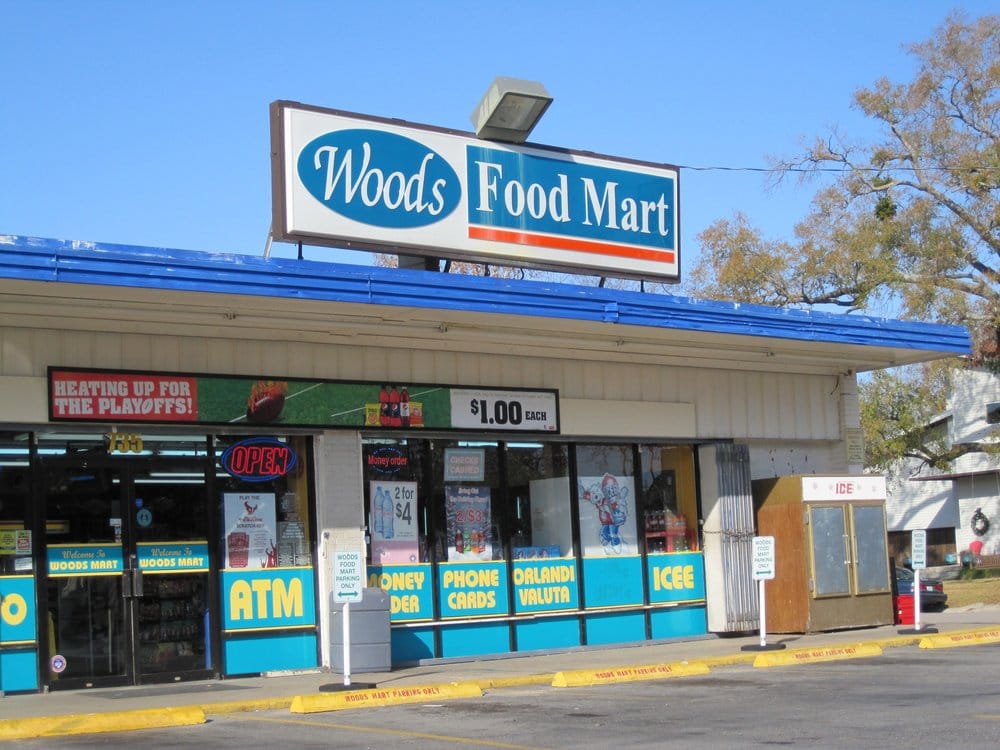
Explore popular things to do in the area, including Woods Food Mart, Dining in the Dark, and Omega Retail.
| Name | Category | Distance | Reviews |
Ratings by
Yelp
|
|---|---|---|---|---|
| Dining · $ | 0.11 miles | 9 reviews | 4/5 stars | |
| Dining | 0.15 miles | 0 reviews | 0/5 stars | |
| Dining | 0.59 miles | 0 reviews | 0/5 stars | |
| Dining | 0.76 miles | 0 reviews | 0/5 stars | |
| Dining | 1.17 miles | 0 reviews | 0/5 stars | |
| Dining | 1.37 miles | 0 reviews | 0/5 stars | |
| Shopping | 1.04 miles | 0 reviews | 0/5 stars | |
| Shopping | 1.2 miles | 10 reviews | 3.8/5 stars | |
| Shopping | 1.44 miles | 0 reviews | 0/5 stars | |
| Shopping | 1.44 miles | 1 review | 5/5 stars | |
| Active | 0.49 miles | 11 reviews | 4.2/5 stars | |
| Nightlife | 1.44 miles | 2 reviews | 5/5 stars | |
| Beauty | 0.56 miles | 0 reviews | 0/5 stars | |
| Beauty | 0.62 miles | 0 reviews | 0/5 stars | |
| Beauty | 0.85 miles | 0 reviews | 0/5 stars | |
| Beauty | 0.94 miles | 2 reviews | 4.5/5 stars | |
| Beauty | 1.17 miles | 0 reviews | 0/5 stars | |
| Beauty | 1.2 miles | 0 reviews | 0/5 stars | |
| Beauty | 1.22 miles | 0 reviews | 0/5 stars | |
| Beauty | 1.25 miles | 0 reviews | 0/5 stars | |
| Beauty | 1.25 miles | 0 reviews | 0/5 stars | |
| Beauty | 1.25 miles | 1 review | 5/5 stars | |
| Beauty | 1.44 miles | 0 reviews | 0/5 stars | |
|
|
||||
|
|
||||
|
|
||||
|
|
||||
|
|
||||
|
|
Houston has 916,536 households, with an average household size of 2.47. Data provided by the U.S. Census Bureau. Here’s what the people living in Houston do for work — and how long it takes them to get there. Data provided by the U.S. Census Bureau. 2,300,420 people call Houston home. The population density is 3,592 and the largest age group is Data provided by the U.S. Census Bureau.
Total Population
Population Density Population Density This is the number of people per square mile in a neighborhood.
Median Age
Men vs Women
Population by Age Group
0-9 Years
10-17 Years
18-24 Years
25-64 Years
65-74 Years
75+ Years
Education Level
Total Households
Average Household Size
Average individual Income
Households with Children
With Children:
Without Children:
Marital Status
Blue vs White Collar Workers
Blue Collar:
White Collar:
View the latest trends, insights, and lifestyle in Houston and surrounding areas.
Nicole Freer | March 10, 2022
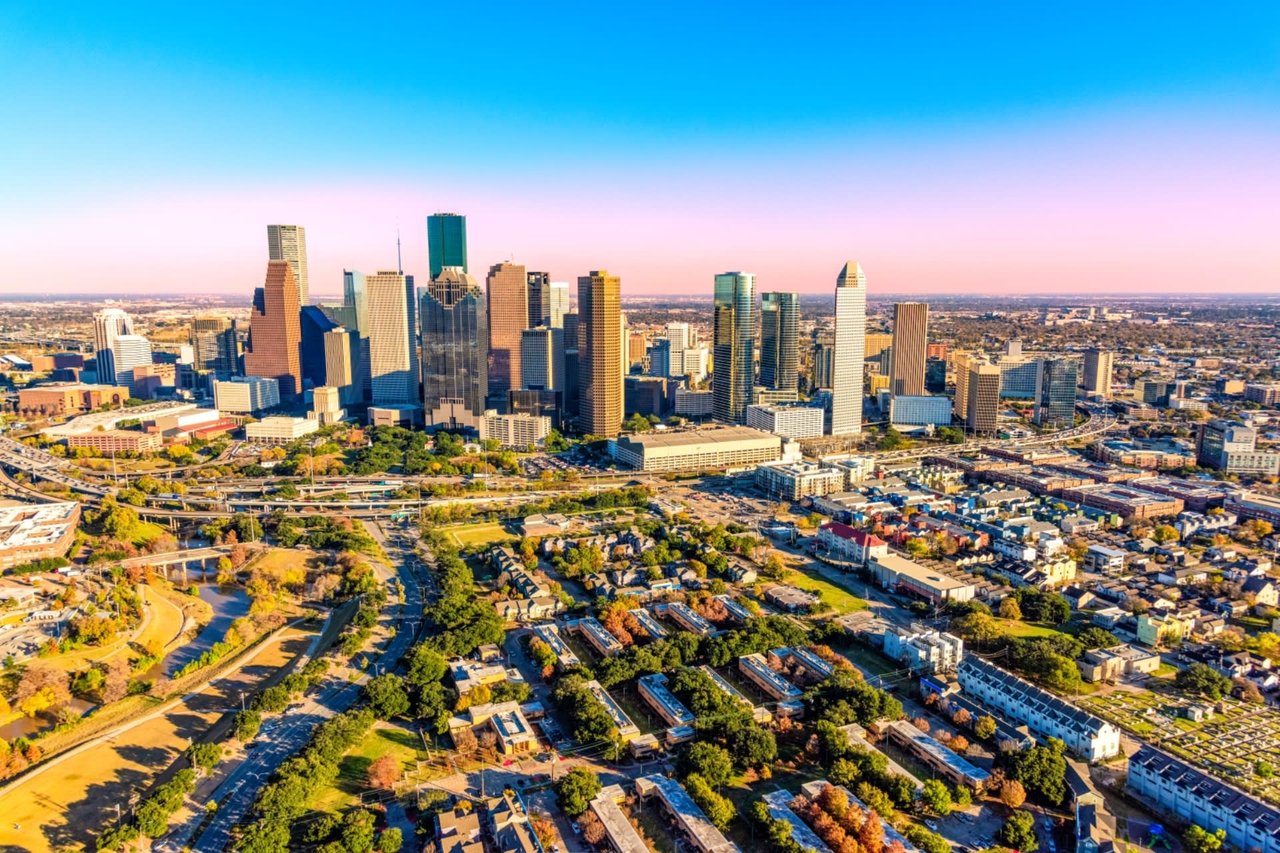
As the city becomes an increasingly popular place to relocate, the local housing market is growing and becoming a more exciting and rewarding place to purchase a home.
September 17, 2026
October 18, 2025
Your Guide to Navigating the Home Buying Process with Confidence.

September 10, 2026
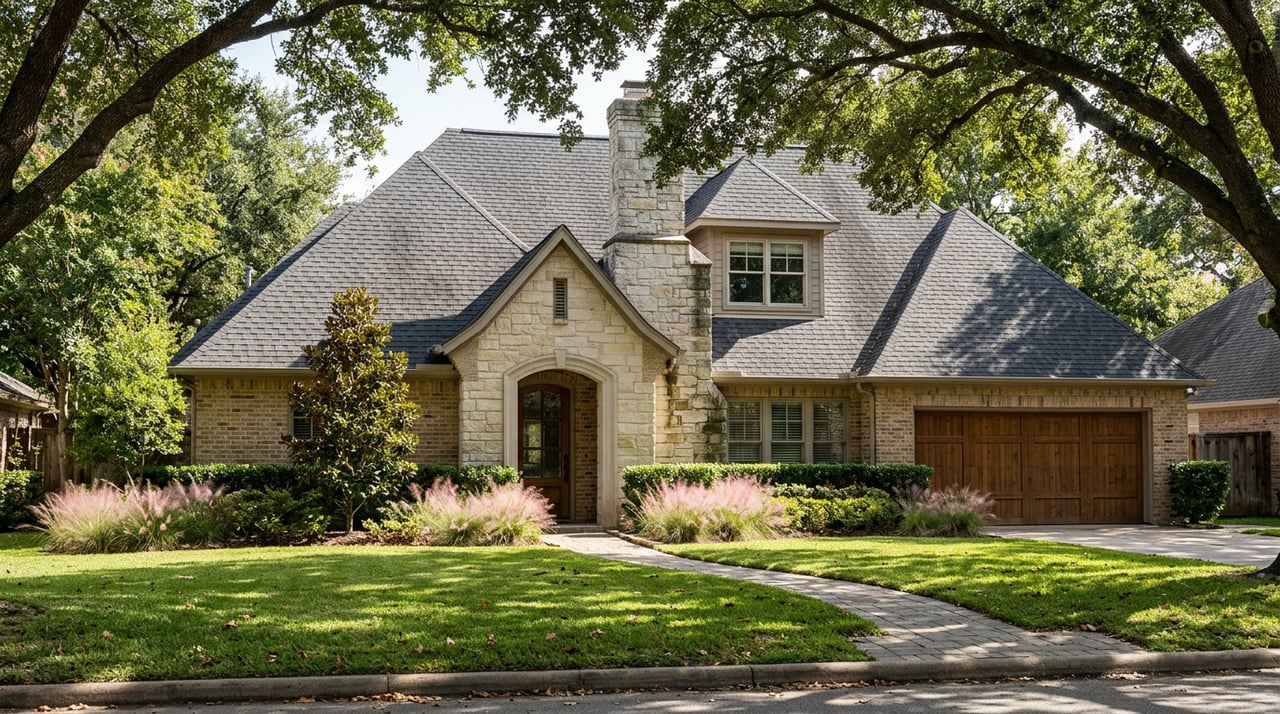
September 3, 2026
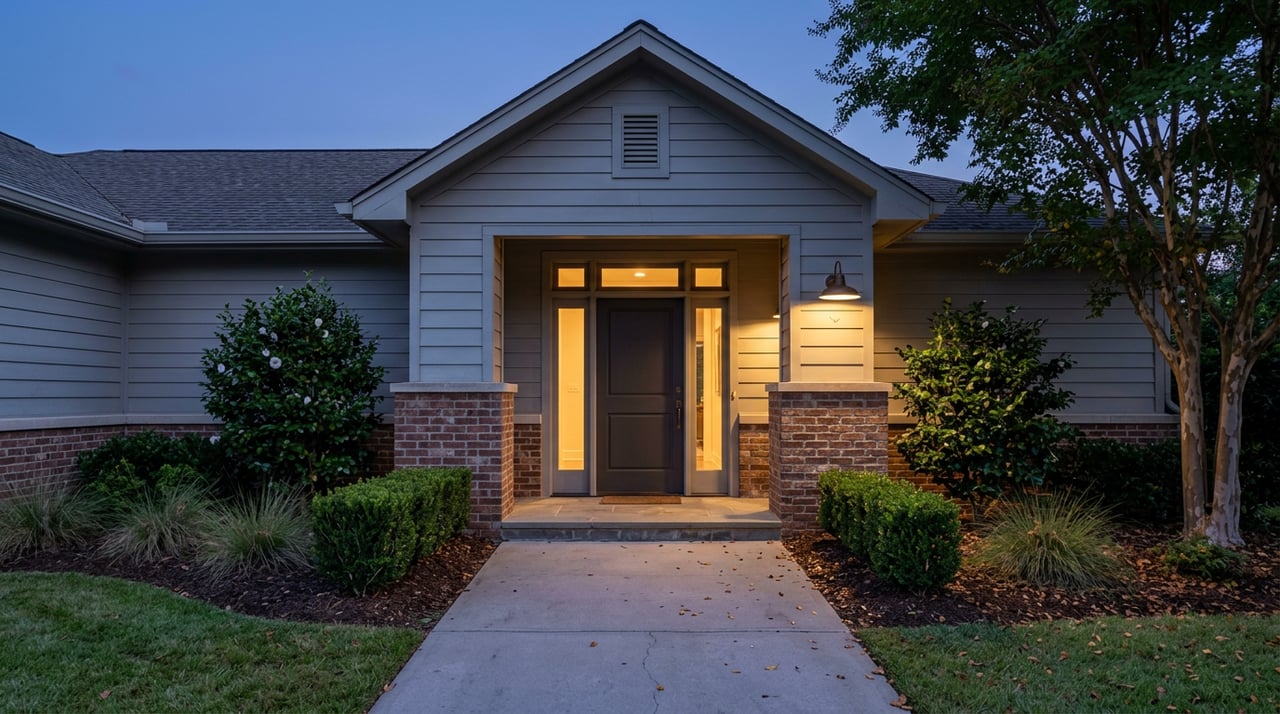
August 27, 2026
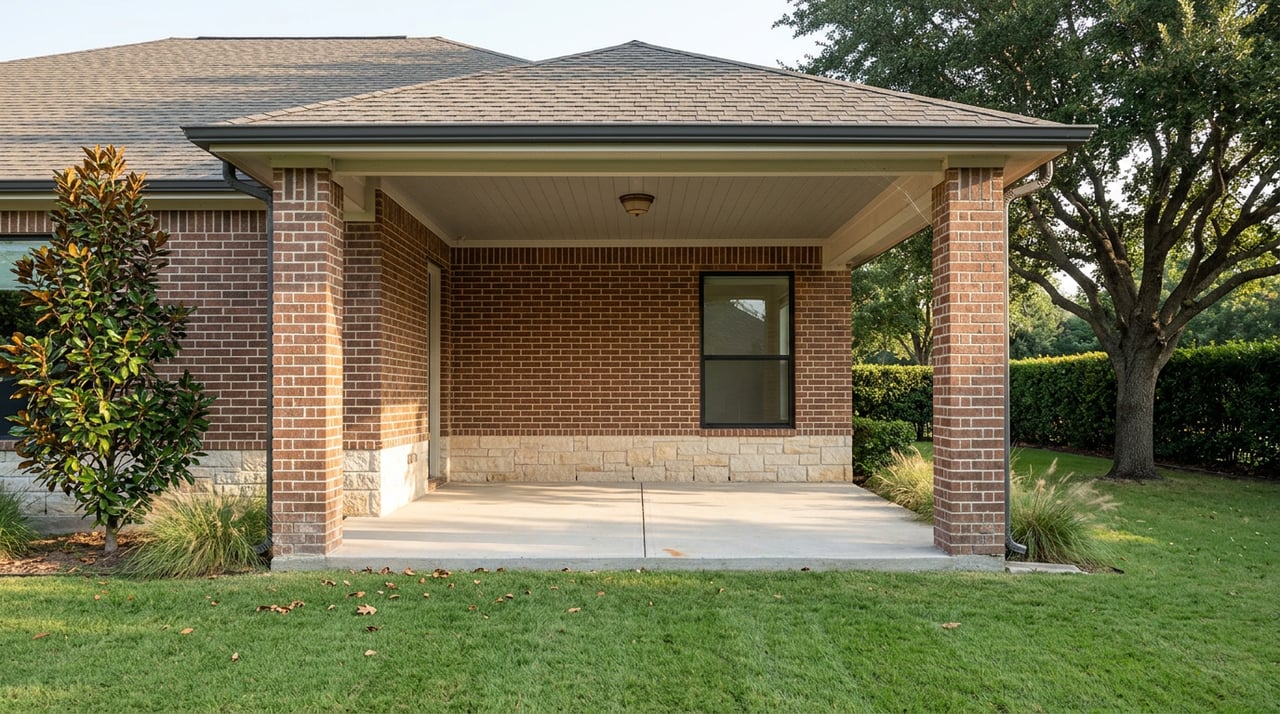
August 20, 2026

August 14, 2026
What It Takes to Stand Out When Homes Sell Fast Across Houston.
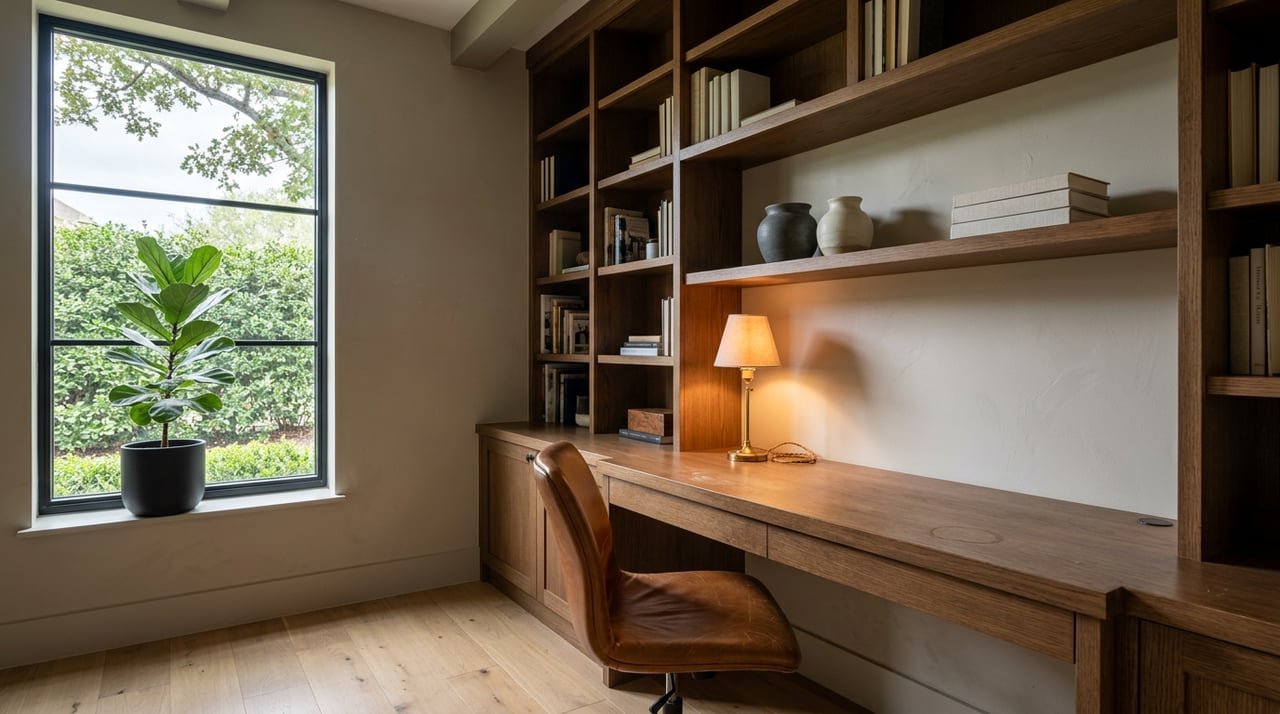
August 13, 2026

June 4, 2025
A new chapter awaits.
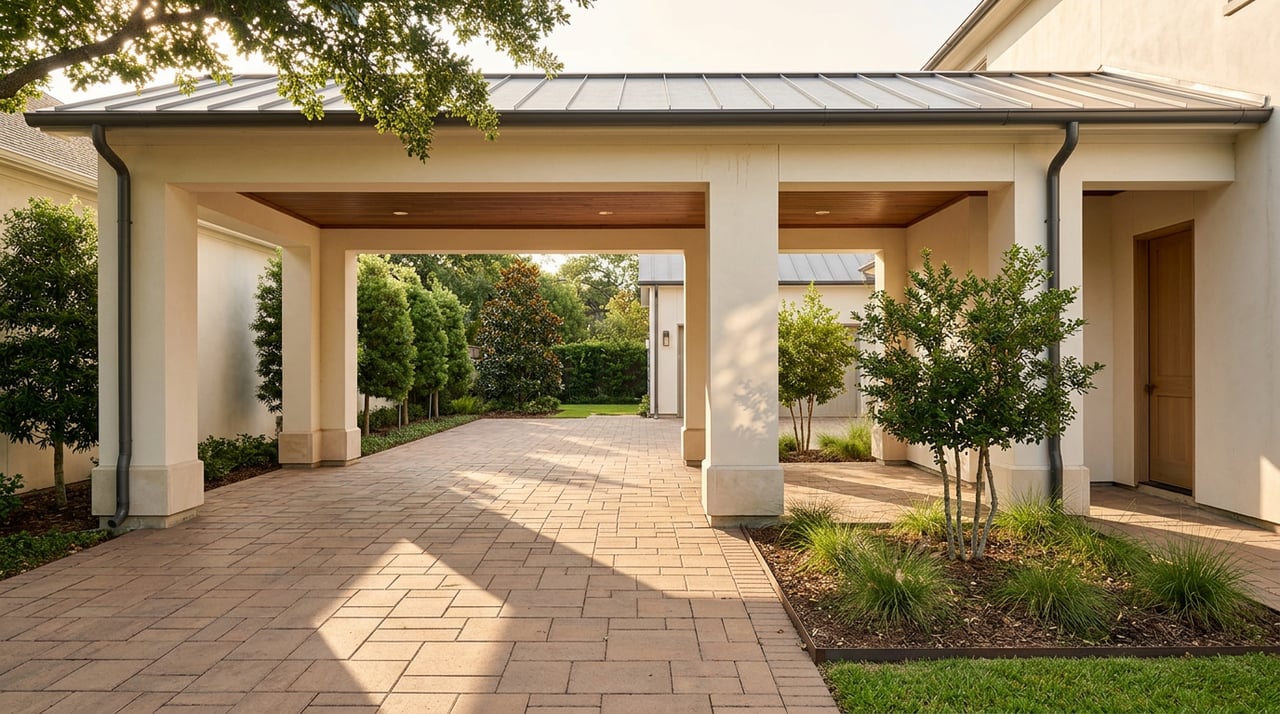
August 6, 2026
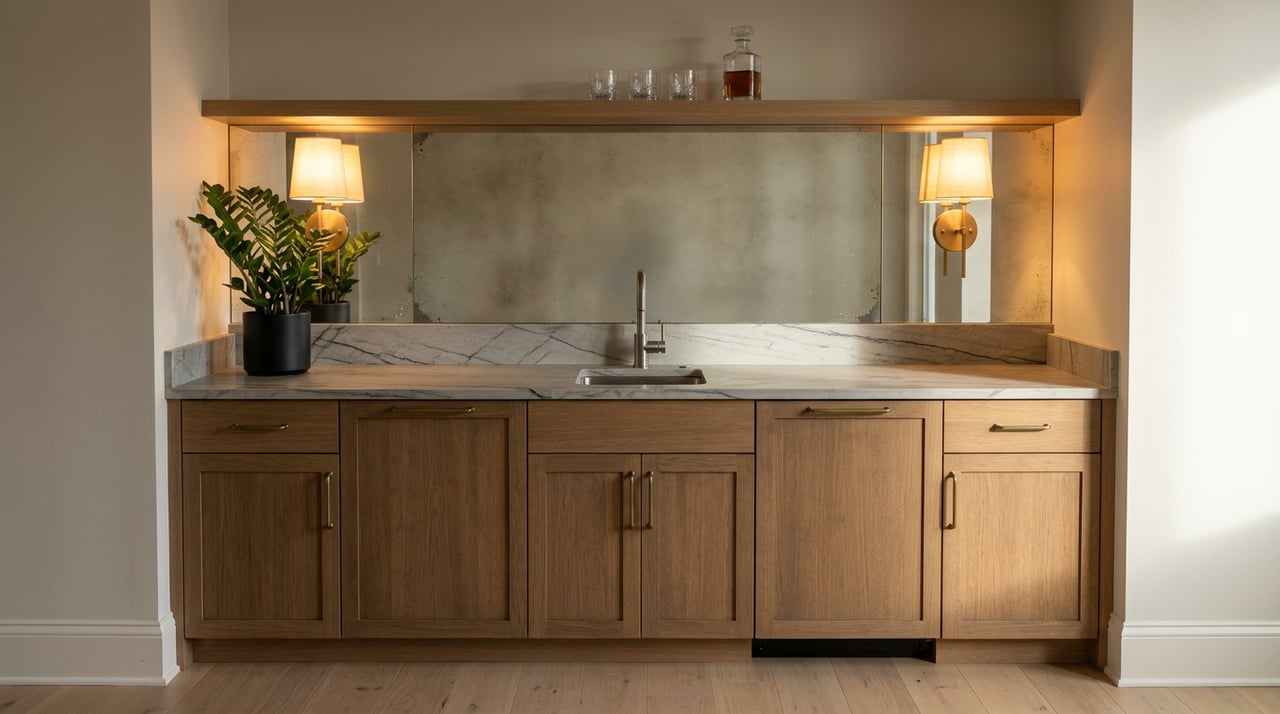
August 6, 2026

June 4, 2025
A family paradise awaiting your arrival.
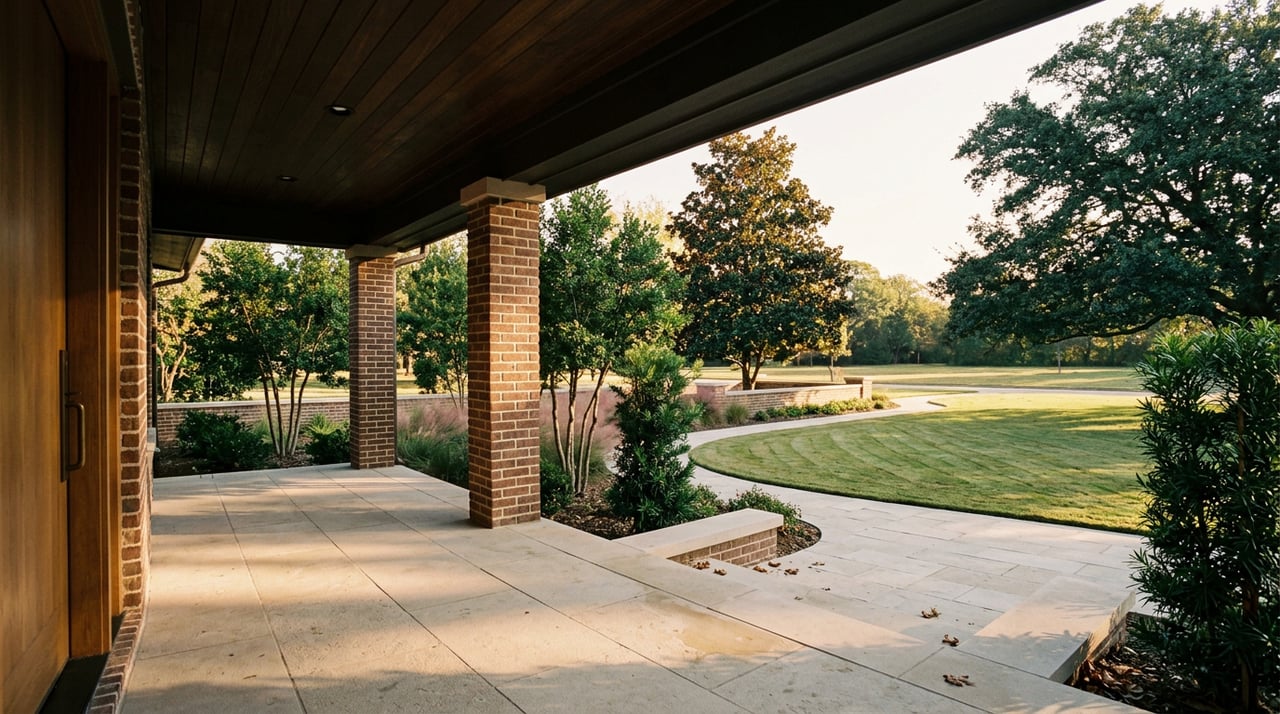
July 23, 2026

June 4, 2025
Insights into premier communities.
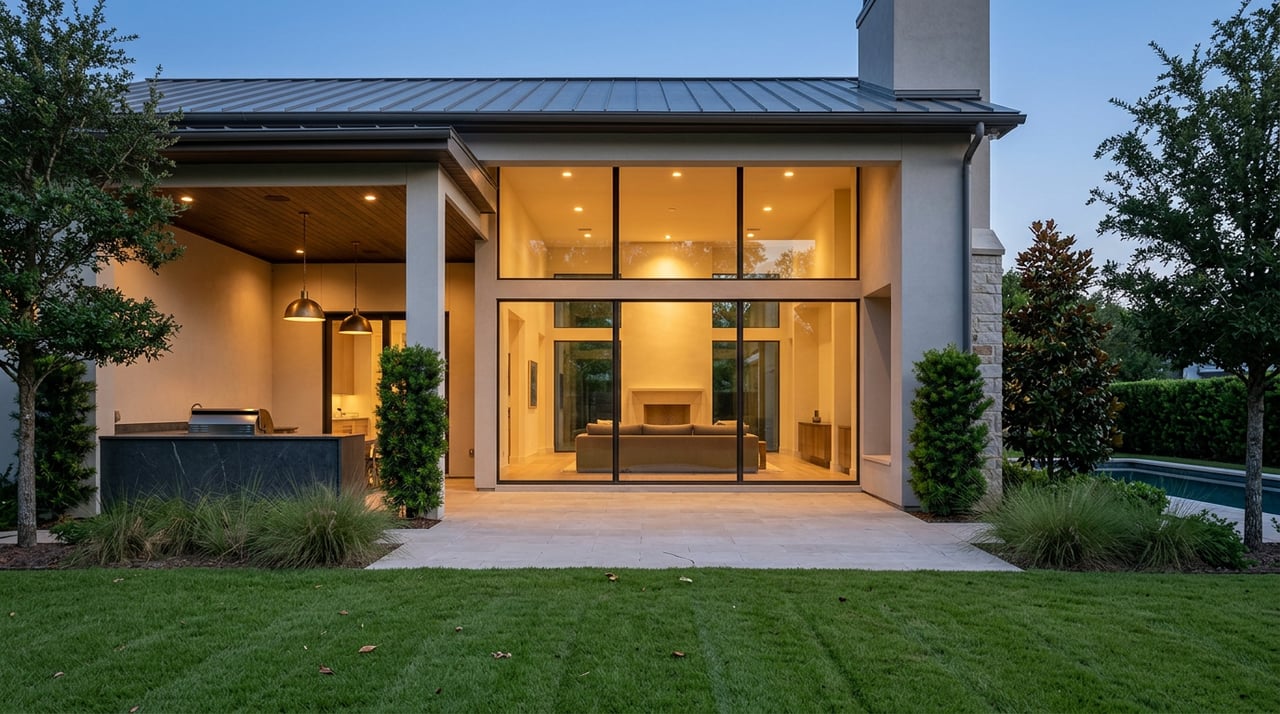
July 16, 2026
Nicole Freer | September 13, 2022
Find fun in the sun year-round in Texas’ largest city.
July 9, 2026
July 2, 2026
June 25, 2026
June 6, 2025
Discover Scenic Routes and Hidden Gems in Katy, TX.
June 18, 2026
June 11, 2026
January 16, 2026
Discover Getaways That Rejuvenate, Inspire, and Delight—All Within Driving Distance.
June 4, 2026
May 28, 2026
May 21, 2026
June 6, 2025
Explore nature, playtime, and serenity in one of Texas’s most charming cities.
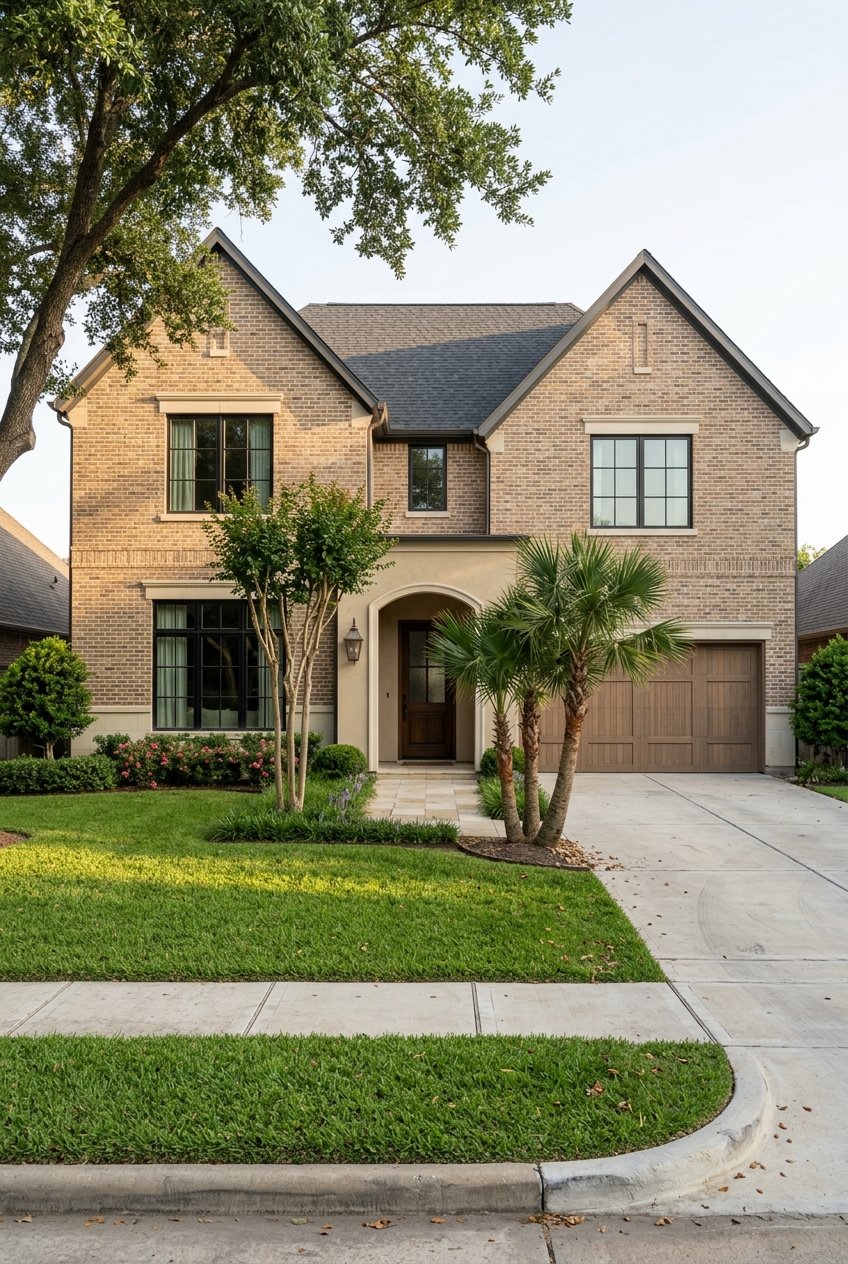
May 14, 2026
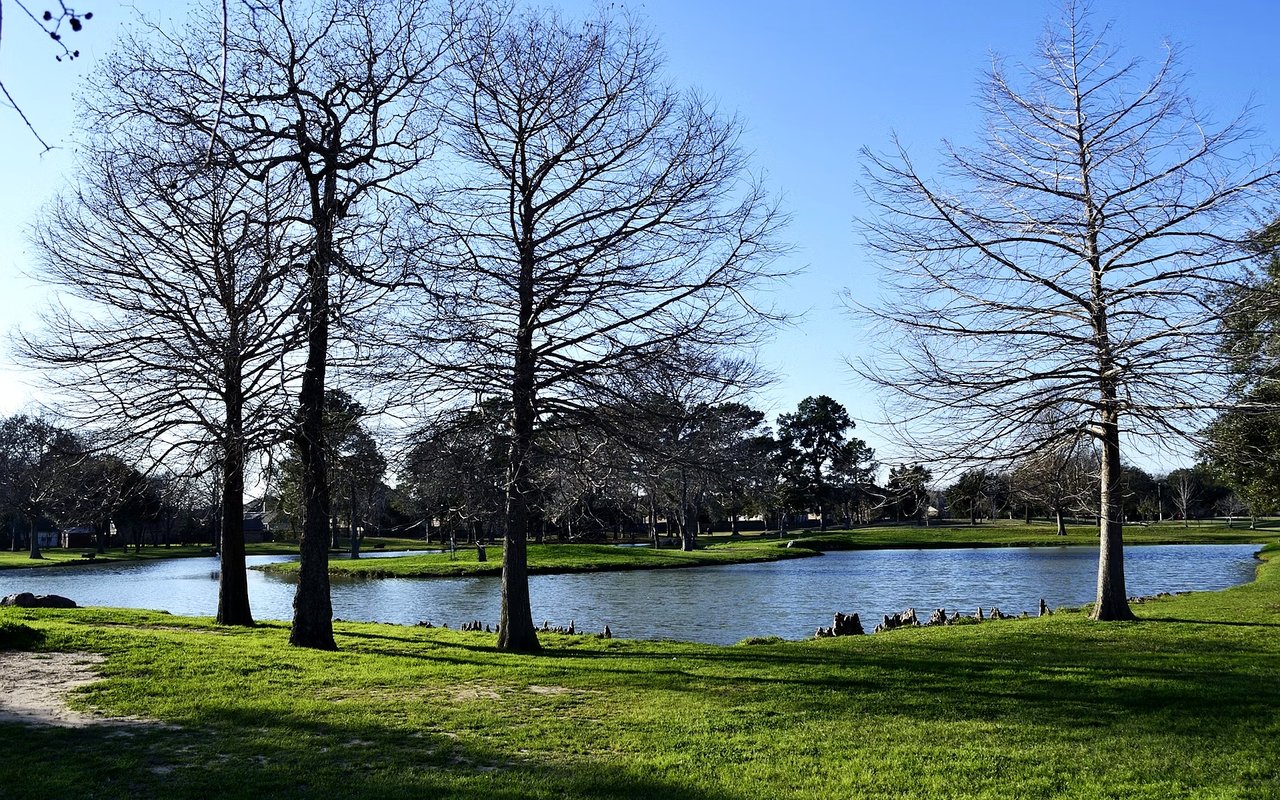
January 16, 2026
Uncovering Hidden Gems in One of Texas’ Most Fascinating Suburbs.

April 21, 2026
What Makes Spring, TX a Smart Real Estate Investment Right Now.
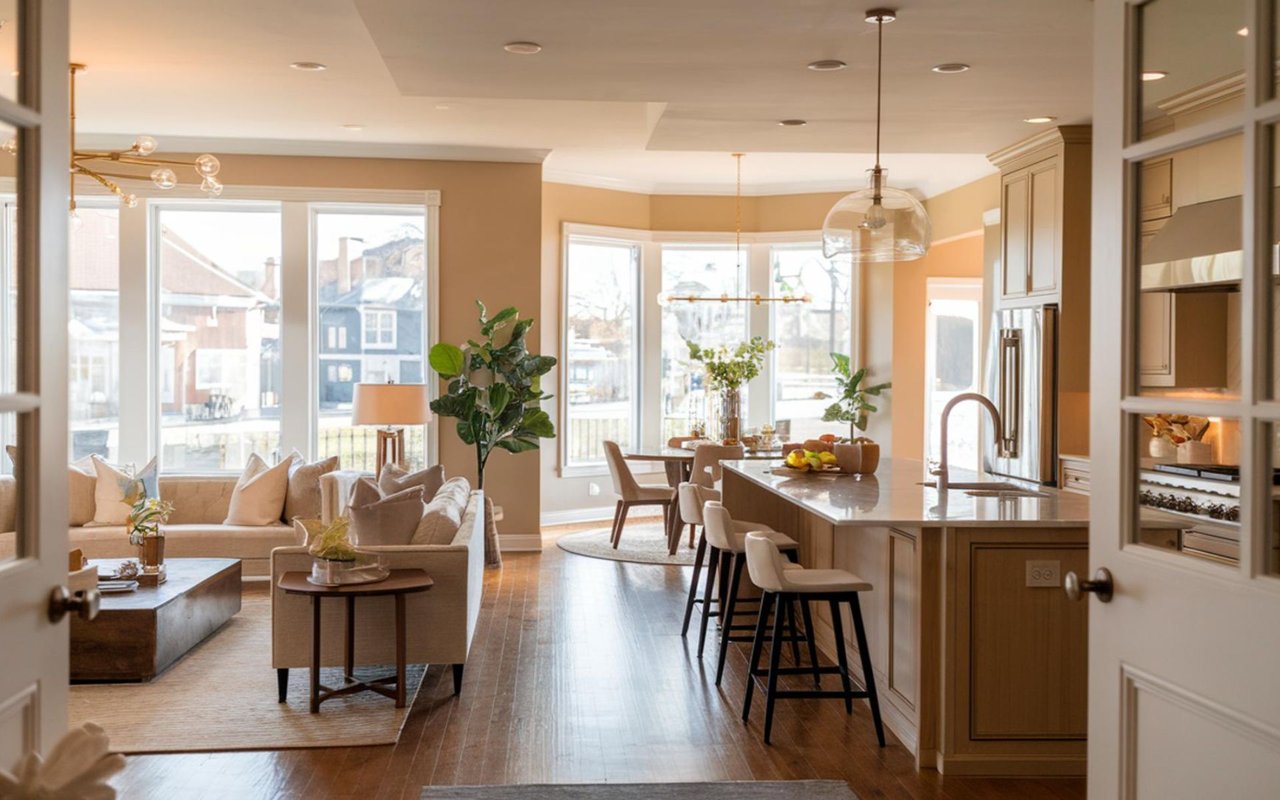
April 21, 2026
How to Sell Your Woodlands Home Faster and for Top Dollar.

January 16, 2026
Embrace the Outdoors With Your Furry Friends.
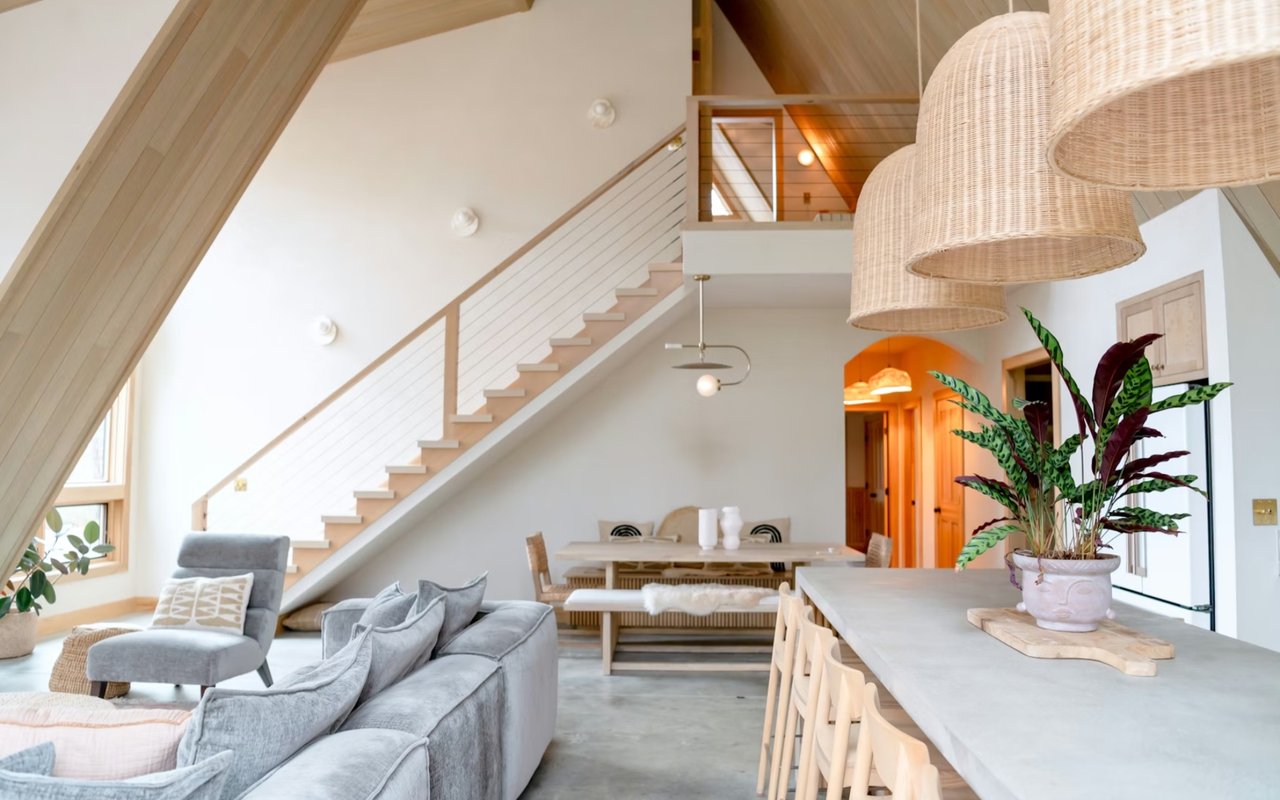
January 16, 2026
Navigating the High-End Real Estate Market with Confidence.

April 21, 2026
How to Make Moving with Kids Easier in The Woodlands, TX.

June 4, 2025
Embracing the charm of suburban living.
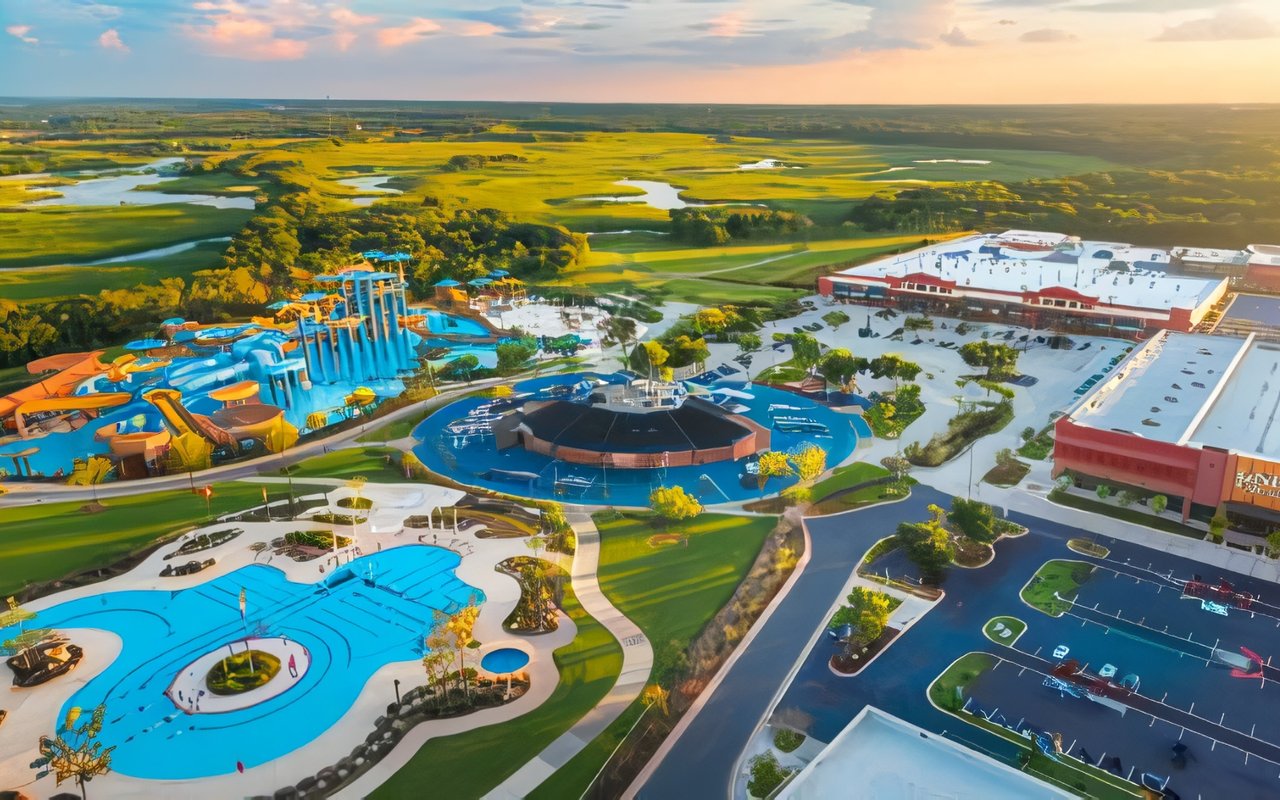
June 3, 2025
Insider Tips for Making the Most of Your Katy, TX Visit.

June 4, 2025
Exploring the sweet side of life.

July 8, 2025
Family-oriented fun, local charm, and great ways to spend your day.
January 16, 2026
Navigating the Real Estate Market with Confidence.

January 16, 2026
Entertain with Confidence and Style in Your Katy Home.

Nicole Freer | August 26, 2022
Explore more of what this Lone Star State city has to offer.
Nicole Freer | December 1, 2022
Select your ideal buyer by knowing what to look for.

April 11, 2022
Inside or out of the city, you’ll find beautiful homes and outstanding amenities.
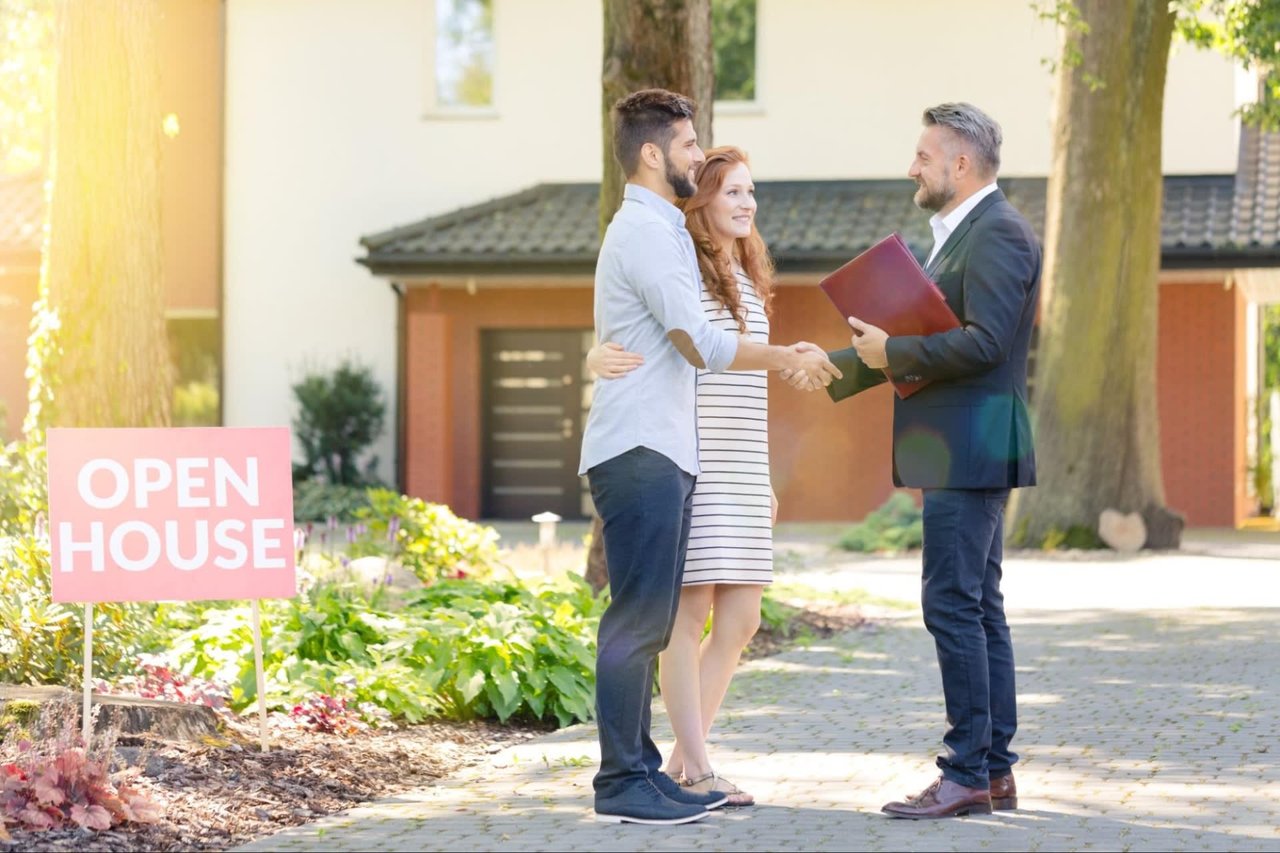
Nicole Freer | October 6, 2022
Impress potential buyers with these tips.
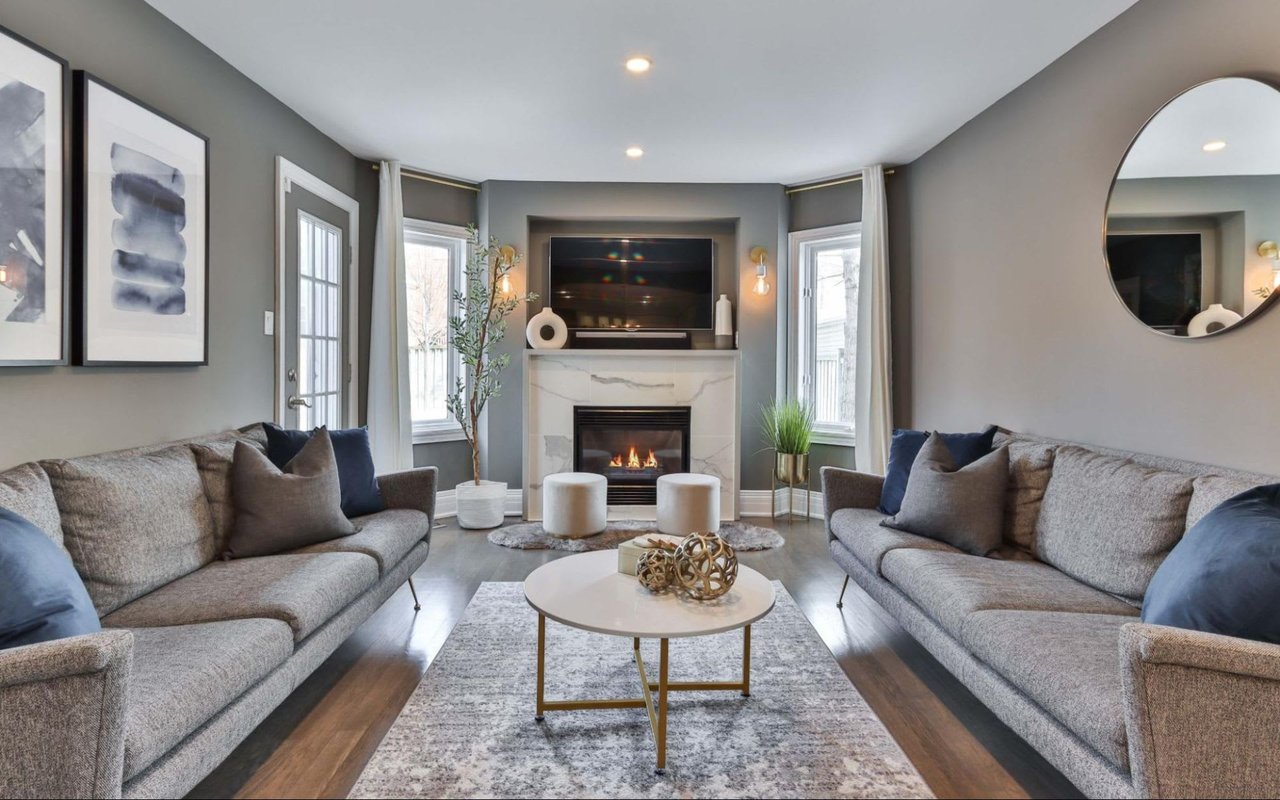
July 26, 2022
Every little detail helps create a home sweet home.
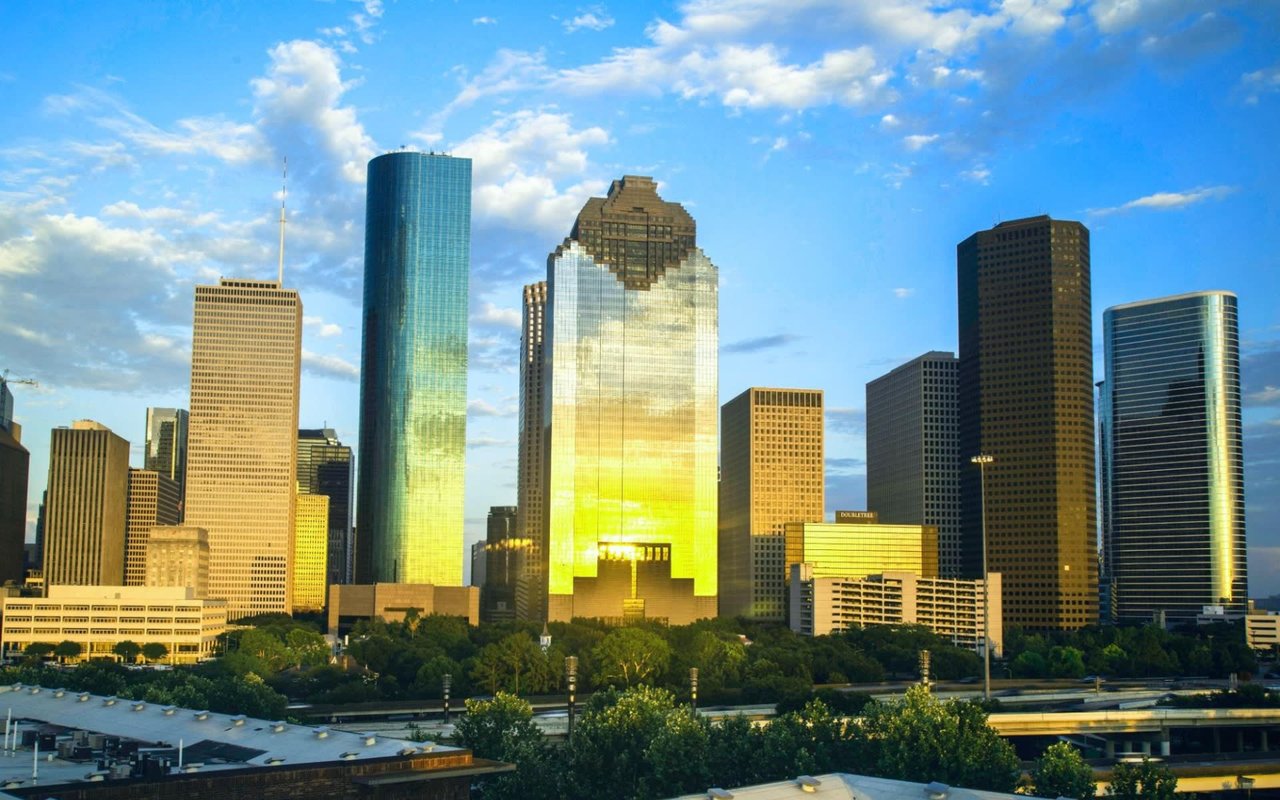
Nicole Freer | July 24, 2022
Moving is a life-changing event that should not be taken lightly. Here are the essential things to know before relocating.
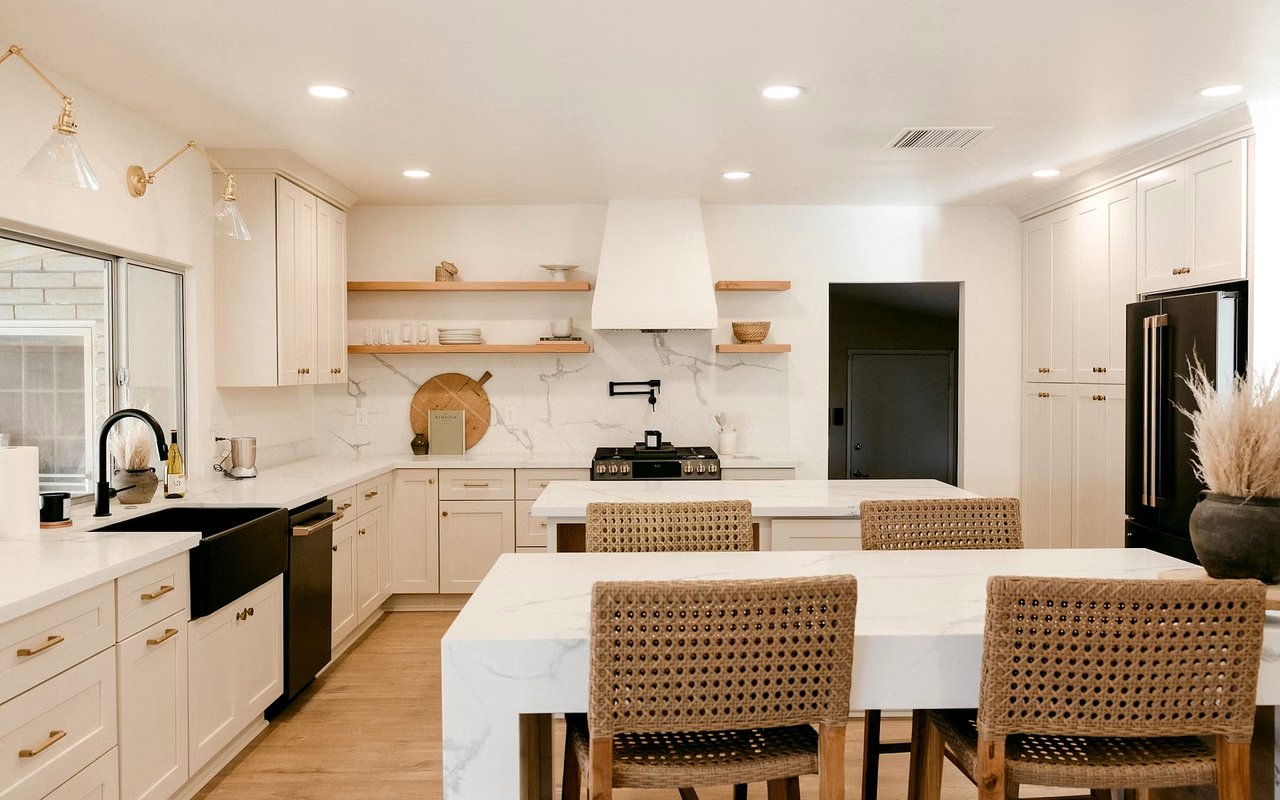
October 18, 2025
Essential Steps for a Successful Home Sale.
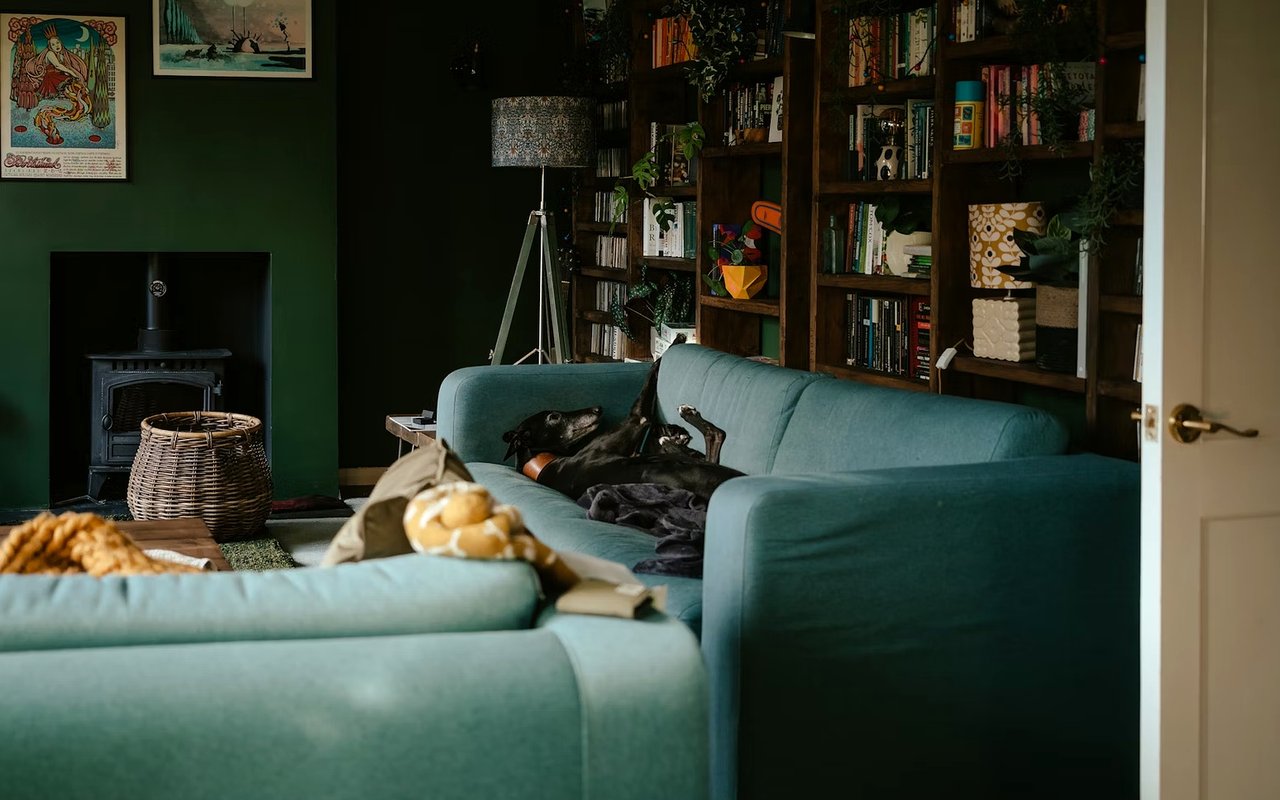
October 18, 2025
Understanding the Real Estate Market for Optimal Selling.

October 18, 2025
Maximize Your Home's Value with Strategic Upgrades.

January 4, 2024
A Strategic Approach to Real Estate Success.

January 2, 2024
Discover the Tastes of Sugarland.

June 6, 2025
Where Heritage Meets Modern Charm.
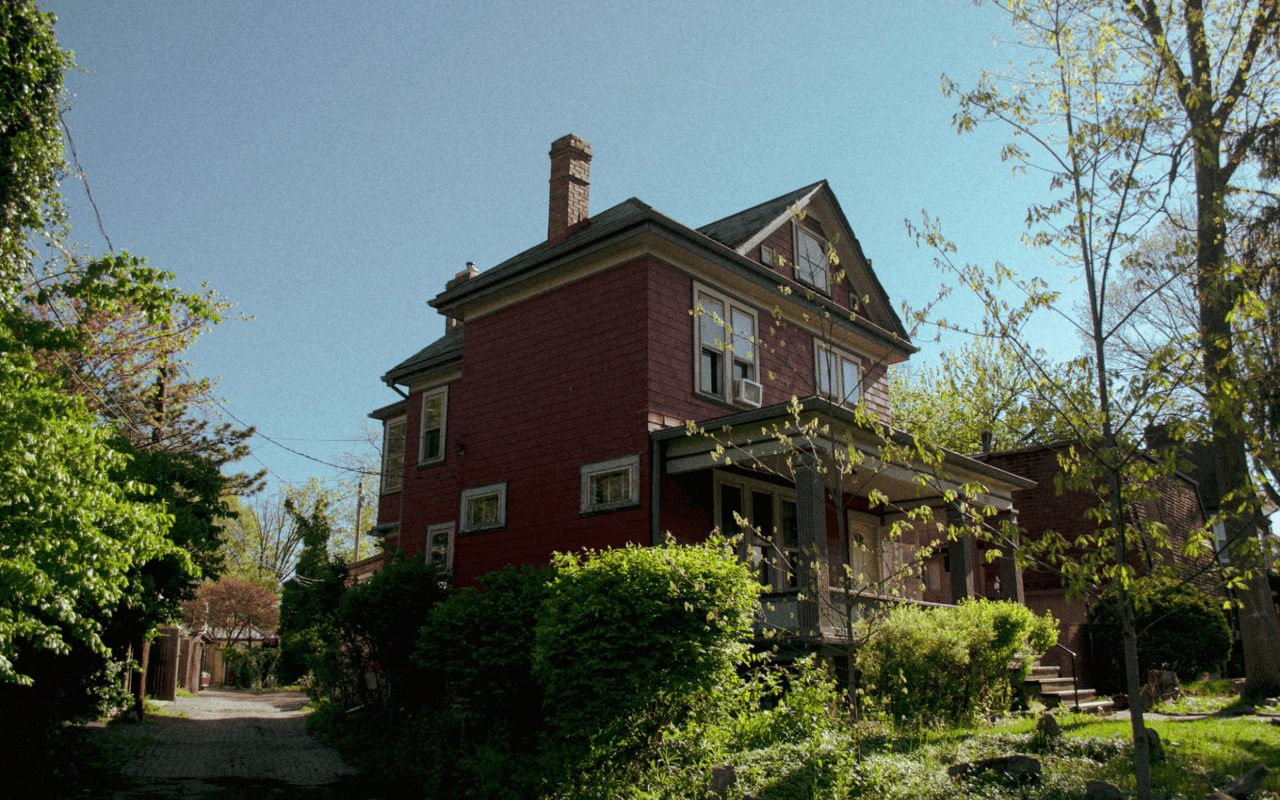
June 20, 2025
Suburban Charm with a Modern Edge.

June 6, 2025
Explore Top Spots for Retail Therapy in Katy, TX.
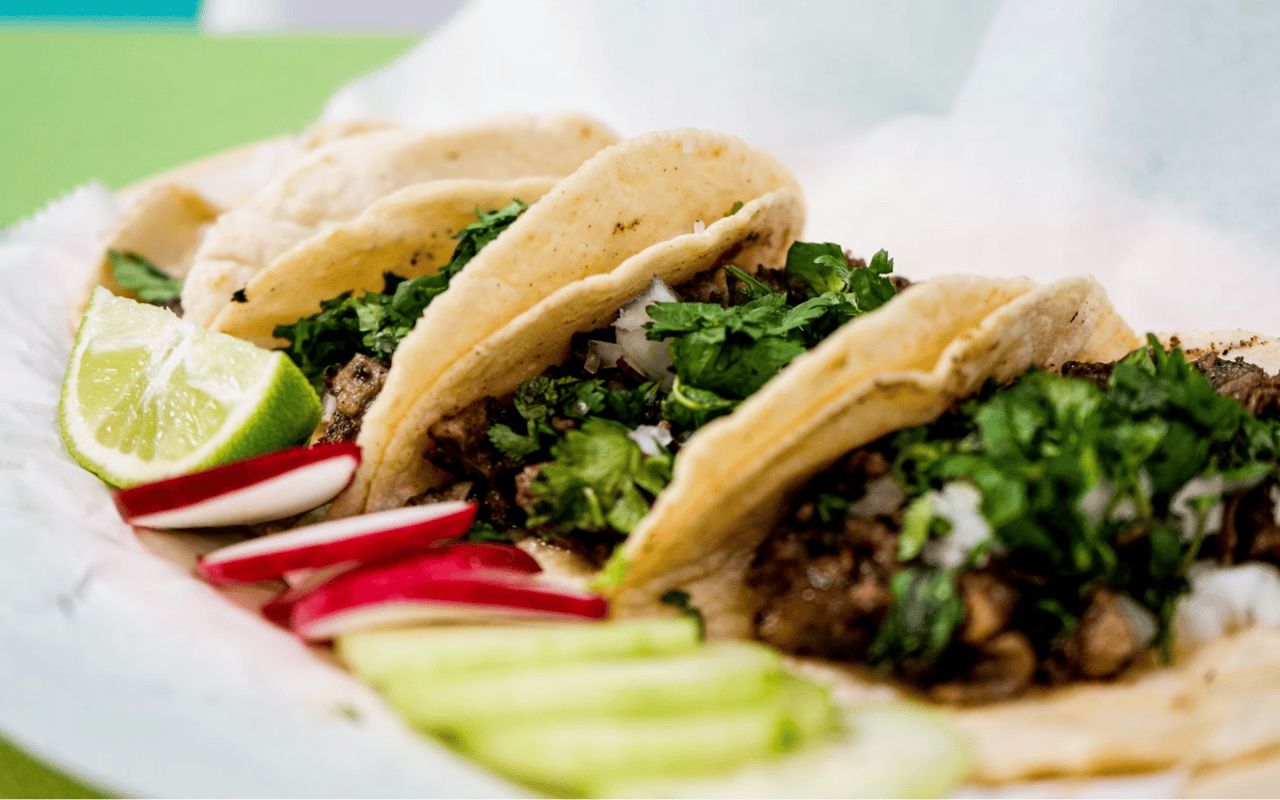
June 6, 2025
A Culinary Journey Through Katy: Top Picks for Every Palate.
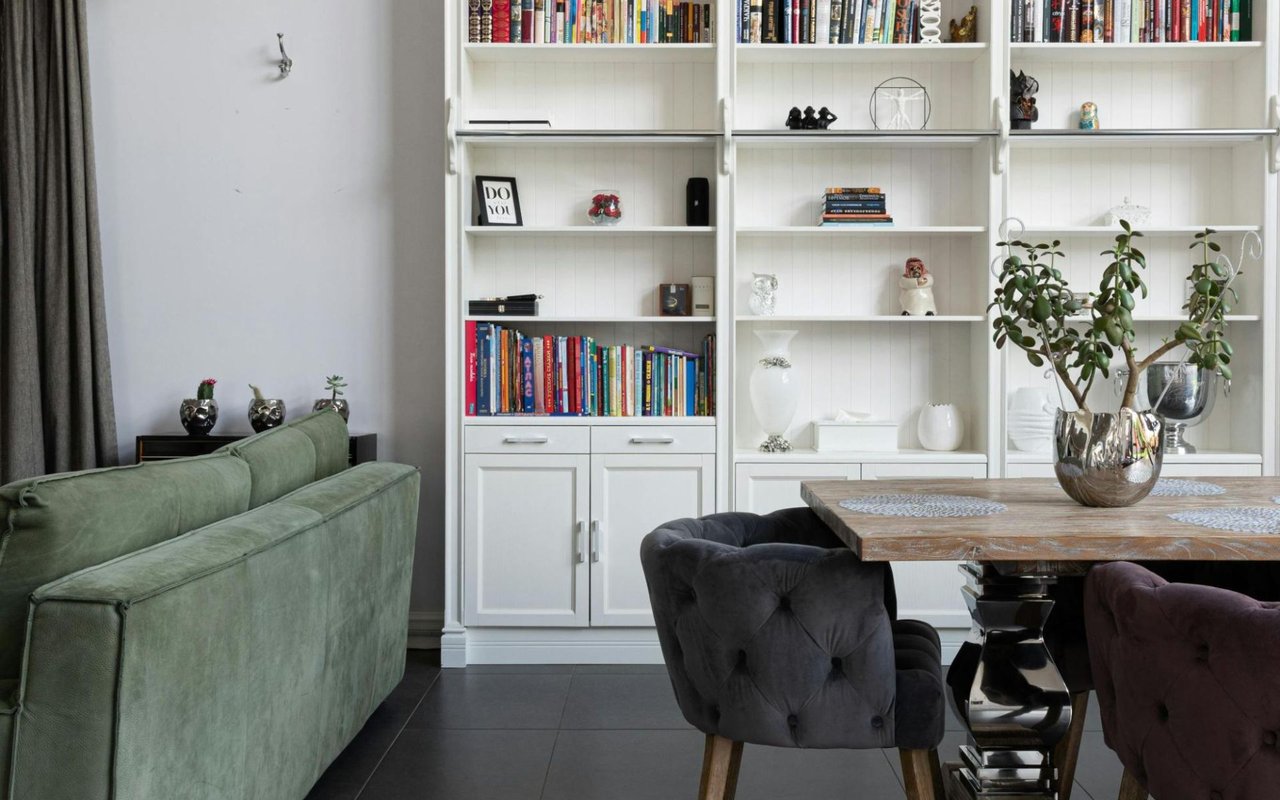
June 4, 2025
Optimal timing for success.
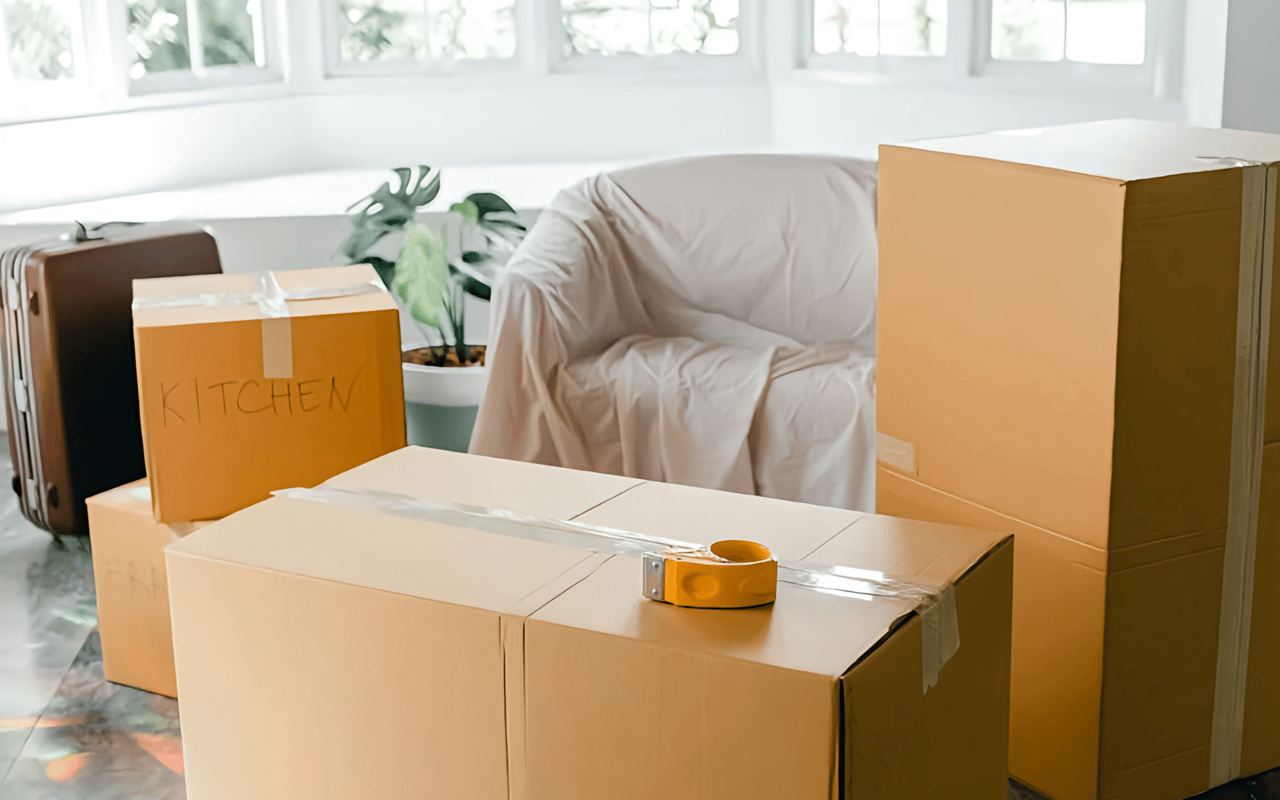
March 4, 2025
Discover Essential Tips and Insights for a Smooth Transition.
March 4, 2025
Unlocking Profitable Opportunities in the Katy Real Estate Market.

March 4, 2025
Essential steps to maximize value and ensure a smooth sale.
March 4, 2025
Your guide to finding the perfect property in this thriving Houston suburb.

Newsletter
Nicole Freer | November 7, 2023