Preparing Your Richmond Home for a Standout Sale
June 25, 2026
June 25, 2026
If your Richmond home is about to hit the market, you are not just competing on price anymore. Buyers have more choices, more time to compare listings, and higher expectations when they scroll through photos and step into a showing. The good news is that you do not need a full remodel to stand out. With the right prep, pricing, and presentation, you can make a stronger first impression and give your home a better chance to shine. Let’s dive in.
In June 2026, the Fort Bend County North/Richmond market showed 5.7 months of inventory, listings up 24.8% year over year, an average of 56.9 days on market, and a median sold price of $461,282. That points to a more balanced market where buyers have room to compare options and negotiate.
In practical terms, that means your home needs to look intentional from day one. Buyers are more selective, and homes that feel dated, cluttered, or overpriced may sit longer and require price reductions later.
It is also important to remember that Richmond is not one single-price market. Pricing and positioning should reflect your specific subdivision, your home’s condition, and the level of updates rather than relying on a broad citywide number alone.
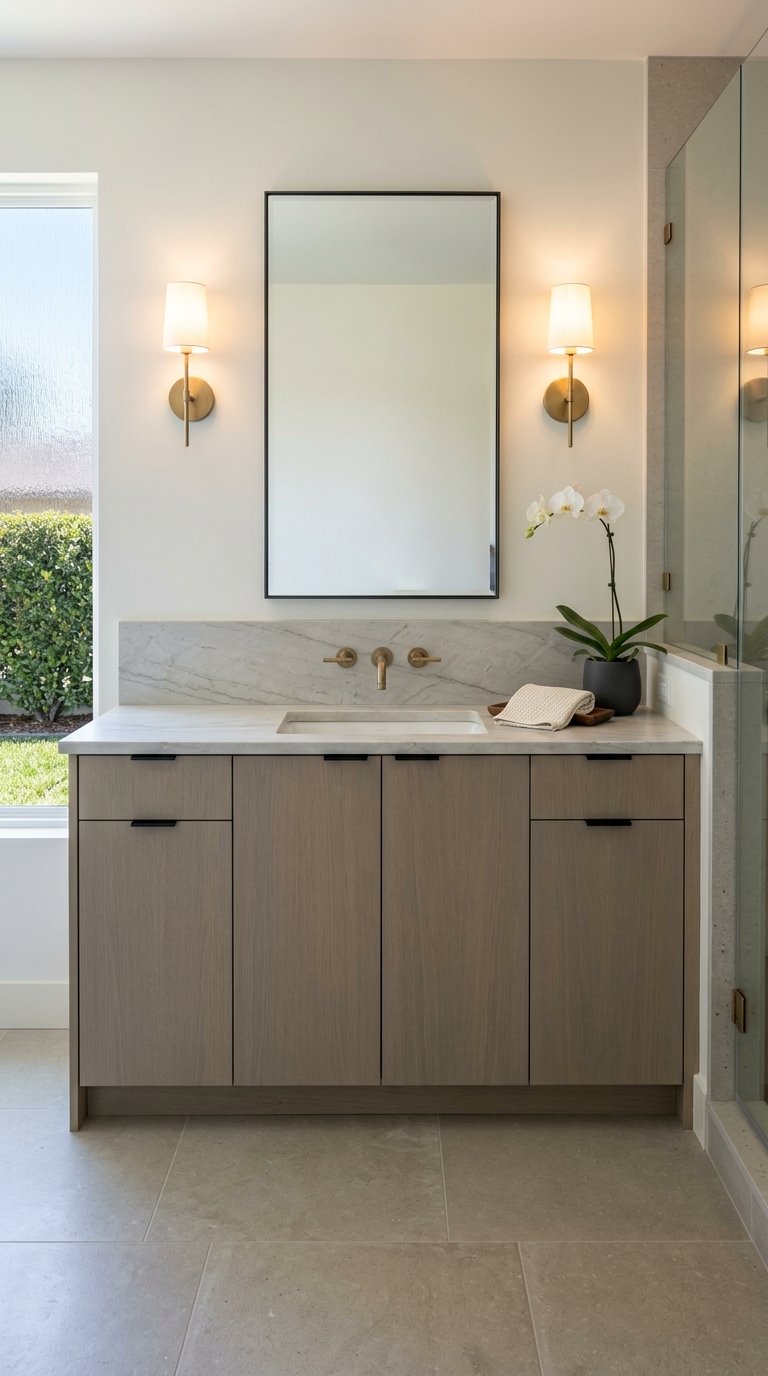
The first step is usually not a renovation. It is editing the home so buyers can focus on the space, light, layout, and condition instead of your belongings.
According to the National Association of Realtors 2025 Profile of Home Staging, 83% of buyers’ agents said staging makes it easier for buyers to visualize a property as a future home. That tells you something simple but important: buyers want to imagine themselves living there.
Walk through your home as if you are seeing it for the first time online. If shelves are crowded, counters are full, or furniture makes rooms feel tight, buyers may have a harder time reading the home clearly.
Focus on these basics first:
A lighter, simpler look helps rooms feel larger in photos and more comfortable in person. It also gives buyers fewer visual distractions during showings.
The same staging report found that buyers’ agents ranked the living room (37%), primary bedroom (34%), and kitchen (23%) as the most important rooms to stage. If you are deciding where to spend your energy and budget, start there.
That does not mean every room needs a full redesign. It means your main living spaces should feel clean, open, and easy to understand the moment a buyer walks in.
In a market where buyers expect move-in-ready condition or pricing that reflects needed updates, small repairs can carry real weight. The goal is to reduce obvious objections before your listing goes live.
Take care of items that make the home feel neglected or unfinished. A dripping faucet, chipped paint, loose hardware, burned-out bulbs, or damaged trim may seem minor, but together they can shape a buyer’s impression.
Before listing, consider tackling:
These are not glamorous upgrades, but they help your home feel better maintained. In a balanced market, that can make a difference.
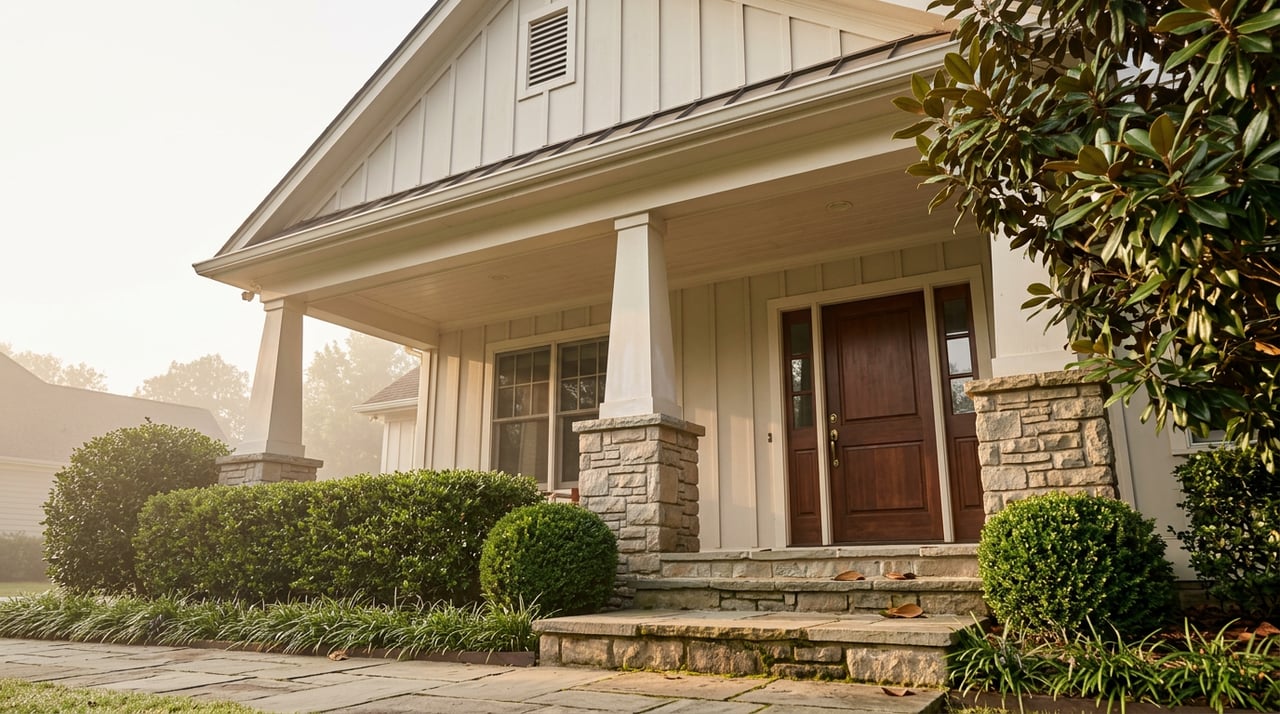
First impressions start before a buyer opens the front door. Your exterior sets the tone for the entire showing and often shapes whether someone is excited to see more.
NAR’s curb-appeal guidance highlights simple updates like improving porch accents, adding lighting, and avoiding overcrowded landscaping. It also notes that a yard upgrade was expected to recover 100% of cost for sellers in its cited remodeling report.
For many Richmond sellers, curb appeal does not require a major landscape project. It usually means making the home look clean, cared for, and photo-ready.
A strong exterior prep list can include:
The goal is to signal maintenance and pride of ownership. That message matters before buyers even step inside.
Staging does not have to mean filling every room with rented furniture. In many cases, the smartest approach is to declutter first, then use your existing furniture and a few targeted adjustments to create a neutral, inviting feel.
The NAR report also found that sellers’ agents often recommend decluttering or fixing property faults instead of staging every room. That is especially helpful if you want to make thoughtful improvements without overspending.
If professional staging is part of your plan, the report showed a median staging-service spend of $1,500 among sellers’ agents who used it. That can be a useful benchmark as you weigh the value of extra support.
The same report found that 17% of buyers’ agents said staging increased the dollar value offered by 1% to 5% compared with similar unstaged homes. It also found that 30% of sellers’ agents reported slight decreases in time on market when the home was staged.
That does not guarantee a result for every listing, but it supports a clear takeaway: thoughtful presentation can help your home compete more effectively.
Today, your first showing often happens online. Before buyers decide whether to visit in person, they are studying photos, videos, and tours side by side with other listings.
That is why professional media matters so much in Richmond’s current market. When inventory is higher and homes are taking longer to sell, strong visuals can help your home earn attention earlier.
NAR’s 2025 staging report found that buyers’ agents rated photos (73%), traditional physical staging (57%), videos (48%), and virtual tours (43%) as much more or more important to clients. Sellers’ agents also rated photos (88%) and videos (47%) as highly important.
That supports a launch strategy built around polished visuals, not quick snapshots. Clean rooms, good lighting, and a well-prepped exterior all pay off more when your home is professionally photographed and filmed.
For a Richmond listing, a standout launch can include:
This kind of full-service approach aligns with how buyers shop now. It also gives your home a more complete and competitive presence from the start.
Even a beautifully prepared home can struggle if the price misses the market. HAR’s Richmond-area update notes that buyers are negotiating below list price and that strategic pricing can help attract more buyers.
That is why pricing should never be based on hope alone. It should be grounded in your subdivision, your home’s condition, your updates, and how your listing compares with nearby competition.
In a market where buyers are careful and homes may sit longer, overpricing can cost you momentum. The first days on market are often your best chance to capture attention, and if buyers feel the price is too high, they may move on before you have a chance to adjust.
A strong pricing strategy helps create urgency without giving away value. Combined with smart preparation, it can reduce the chances of extended market time and repeated price cuts.
Many sellers ask when the best time to list is. In this market, the better question is whether your home is truly ready.
HAR’s broader Houston updates point to active buyers, but also selective ones. That means there is less value in rushing to market and more value in launching once the home is cleaned up, photographed well, and priced correctly.
Before going live, make sure you have:
When these pieces come together, your listing enters the market in a much stronger position.
The strongest Richmond listings usually follow a clear formula. They do not rely on one big feature to carry the sale.
Instead, they combine realistic pricing, clean presentation, strong media, and a thoughtful launch plan. In a balanced market, that kind of preparation can help reduce buyer hesitation and put your home in the best possible light.
If you are thinking about selling, it helps to work with a team that understands both the numbers and the presentation side of the process. From professional photography and video to aerials, 3D tours, virtual staging, open houses, and dedicated transaction support, the right strategy can help your home stand out for the right reasons. When you are ready to plan your next move in Richmond, connect with Nicole Freer Group for expert guidance built around smart marketing, local insight, and hands-on support.
Stay up to date on the latest real estate trends.
October 15, 2026

October 13, 2026
Creative Ways to Welcome Friends, Family, and Neighbors Into Your New Katy-Area Home.
October 8, 2026
October 1, 2026
September 24, 2026
September 17, 2026

September 10, 2026

September 3, 2026
August 27, 2026