Guide To Living in Kingwood, Houston’s Livable Forest
June 4, 2026
June 4, 2026
If you want mature trees, connected trails, and the feel of an established master-planned community, Kingwood likely lands on your shortlist fast. But before you move, it helps to understand how this large Houston-area community is laid out, what housing looks like, and where the tradeoffs show up in daily life. This guide will help you get a clear picture of what it’s really like to live in Kingwood and what to verify before you buy. Let’s dive in.
Kingwood is a forested master-planned community in far northeast Houston. It was created in 1970 and spans more than 15,000 acres, with the City of Houston’s 2024 area profile reporting 65,084 residents, 24,195 households, and a median house value of $356,621.
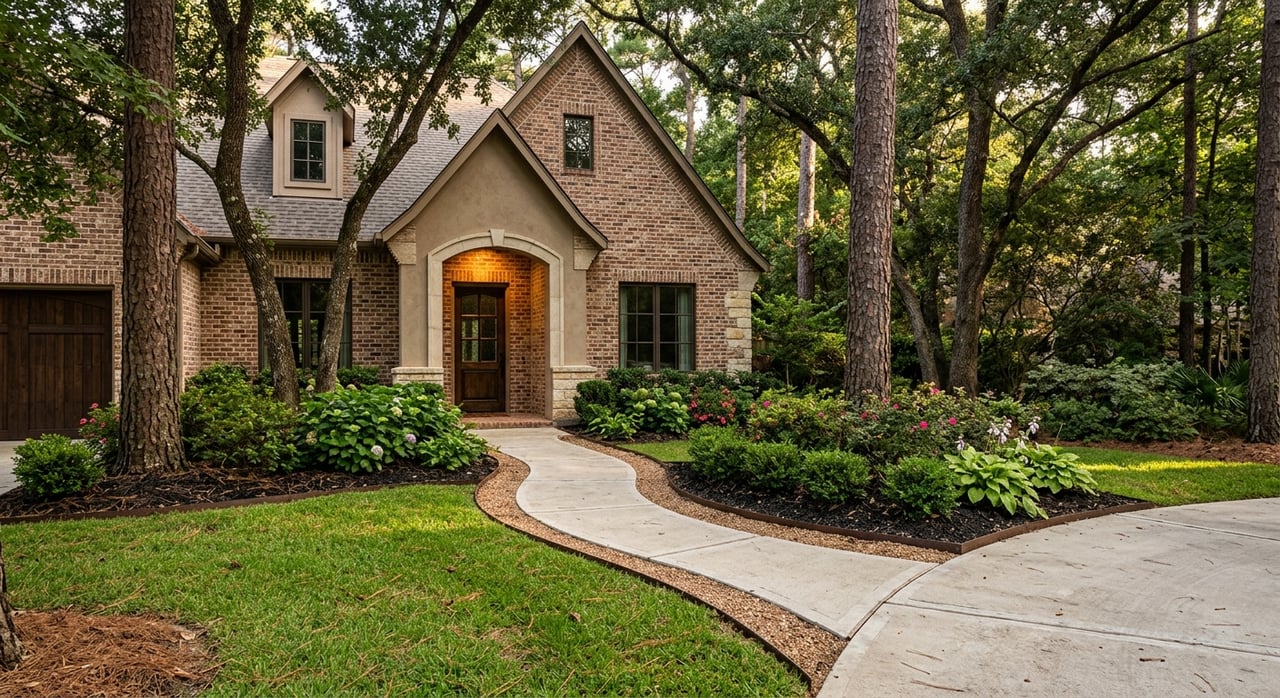
You will often hear Kingwood called Houston’s “Livable Forest.” That nickname points to one of the area’s biggest draws: a strong tree canopy and a community design built around nature, parks, and trails rather than a purely urban street grid.
Kingwood is also part of the City of Houston, which surprises some buyers. At the same time, some nearby addresses that use a Kingwood mailing label may fall in Montgomery County or New Caney ISD, so you will want to verify the exact address for schools, taxes, and services before making a decision.
One of the first things to know is that Kingwood is not just one neighborhood. It is made up of 21 planned villages, and each village has its own association, look, and price profile.
That village structure shapes the day-to-day experience more than many buyers expect. In a place without traditional zoning, deed restrictions and community associations help guide property use, and Kingwood Service Association supports the broader community while most villages also have pools and community rooms.
You may come across villages such as Bear Branch, Fosters Mill, Kings Point, Kings River, Sherwood Trails, Trailwood, and Woodstream. The right fit often comes down to home style, lot size, budget, commute pattern, and how much village-level amenity access matters to you.
When you tour Kingwood, it helps to think beyond the house itself. You are also choosing a village association, deed restrictions, and a certain rhythm of community life.
That can be a real advantage if you want a more structured suburban environment. It also means you should read HOA or association rules carefully before writing an offer, especially if you have plans for exterior updates, parking, or major property changes.
Kingwood’s greenbelt system is one of its signature features. The community has more than 75 miles of trails designed to connect schools, parks, shopping, and neighborhoods without requiring you to cross major roads.
That trail system gives Kingwood a very different feel from many suburban areas. Tunnel crossings under busy streets are part of the design, and they help create a more connected experience for getting around the community.
Outdoor space is another major part of life here. Kingwood Service Association owns and maintains River Grove, Deer Ridge, Creekwood Nature Area, North Park Recreation Area, and East End Park, though some parks require a K Sticker for access.
Town Center Park also hosts holiday events with live music, food, and craft vendors. If you want even more outdoor space nearby, Lake Houston State Park is about 10 miles north in New Caney.
For day-to-day errands, many buyers focus on the front of Kingwood Drive and the Town Center area off Lake Houston Parkway. Those areas are common hubs for retail and dining inside the community.
For larger shopping trips, Deerbrook Mall and Humble are nearby. In practical terms, Kingwood offers solid suburban convenience, but you will still rely heavily on your car for most errands and appointments.
That is an important expectation to set early. If your ideal lifestyle depends on dense walkability or nightlife a few blocks away, Kingwood may feel more spread out than what you want.
Kingwood is primarily a detached-home market. City housing data shows 25,558 housing units in the area, including 18,897 detached units and 462 attached units, which means about 73.9% of the housing stock is detached.
That housing mix shapes the feel of the market. If you are shopping for a traditional single-family home with more yard space, mature trees, and an established suburban setting, Kingwood gives you more of those options than attached-home alternatives.
Current listing data also shows a wide spread in age and style. Available homes include properties built in the 1970s, 1990s, 2000s, 2010s, and 2020s, so you can find everything from older resale homes with established landscaping to newer inventory in select sections.
Recent listing data shows 216 homes for sale with an average price of $490,591, an average size of 2,914 square feet, and an average of four bedrooms. Current examples range from about $259,900 to $675,000 in the main resale sample, with fewer attached options such as a townhouse or condo example at $389,000.
Broader consumer-facing value metrics place Kingwood more in the mid-$300,000s for the typical resale picture. The City of Houston profile lists a median house value of $356,621, Redfin reports a median sale price of $360K, and Realtor.com shows a median listing price of $369.5K.
In other words, you can think of Kingwood as a market with a broad middle and a meaningful upper tier. Larger lots, newer sections, private pools, golf-oriented homes, and waterfront opportunities can push pricing well above the area’s everyday resale baseline.
The current market also gives you a sense of how buyers shop here by lifestyle. Recent listing summaries show 125 two-story homes, 86 single-story homes, 60 private-pool homes, 56 golf-community homes, and 2 waterfront listings.
That matters because Kingwood is not a one-note housing market. You can search by practical needs like layout and bedroom count, but you can also narrow by lifestyle goals such as a pool, golf setting, or water access.
Kingwood tends to work best if you want an established suburban community with mature trees, strong neighborhood identity, and a master-planned layout. It is especially appealing if connected trails, parks, and detached homes are high on your list.
It can also make sense if you want suburban scale without jumping all the way to a newer outer-ring development. Kingwood offers a more established setting, and that can be a major plus for buyers who care about tree cover, resale consistency, and a neighborhood feel that has had time to mature.
For commuters, METRO operates Kingwood Park & Ride service, including the 255 Kingwood and 259 Kingwood/Townsen/Eastex routes. Major roads in the area include Kingwood Drive, Northpark Drive, Woodland Hills Drive, and West Lake Houston Parkway.
No community fits everyone, and Kingwood has tradeoffs. If your top priority is a low-maintenance attached-home lifestyle, dense urban energy, or a short cross-town commute to another side of Houston, you may find better matches elsewhere.
Kingwood is also a car-dependent area in daily practice. Even with the greenbelt and internal connectivity, most shopping, work trips, and regional outings still happen by car.
The smartest Kingwood buyers do strong address-level due diligence. Because some Kingwood-labeled addresses may fall outside the core area or into different counties or school districts, you should confirm exactly how a property is assigned before you move forward.
Flood and drainage research also matters here. TxDOT and the Lake Houston Redevelopment Authority have ongoing work on Northpark Drive, and Harris County Flood Control District along with the City of Houston have continued drainage and detention efforts in the Kingwood area following major flooding concerns after Harvey.
That does not mean every home carries the same risk. It does mean you should carefully review flood zones, ask for elevation-related documentation when relevant, and understand the property’s history before you finalize an offer.
Before you buy in Kingwood, make sure you verify:
Kingwood is easy to like, but it rewards buyers who look closely at the details. Two homes with similar square footage can offer very different experiences depending on village rules, lot characteristics, flood considerations, commute routes, and how close they are to the trail network or major shopping areas.
That is where local market knowledge becomes valuable. When you understand not just the home, but also the village structure, price positioning, and practical tradeoffs, you are better equipped to make a smart move and protect your investment.
If you are thinking about buying or selling in Kingwood, the right strategy can help you compare villages, narrow your search, and move forward with confidence. Reach out to the Nicole Freer Group for expert guidance tailored to your goals.
Stay up to date on the latest real estate trends.
September 17, 2026

September 10, 2026
September 3, 2026
August 27, 2026
August 20, 2026

August 14, 2026
What It Takes to Stand Out When Homes Sell Fast Across Houston.
August 13, 2026
August 6, 2026
August 6, 2026